
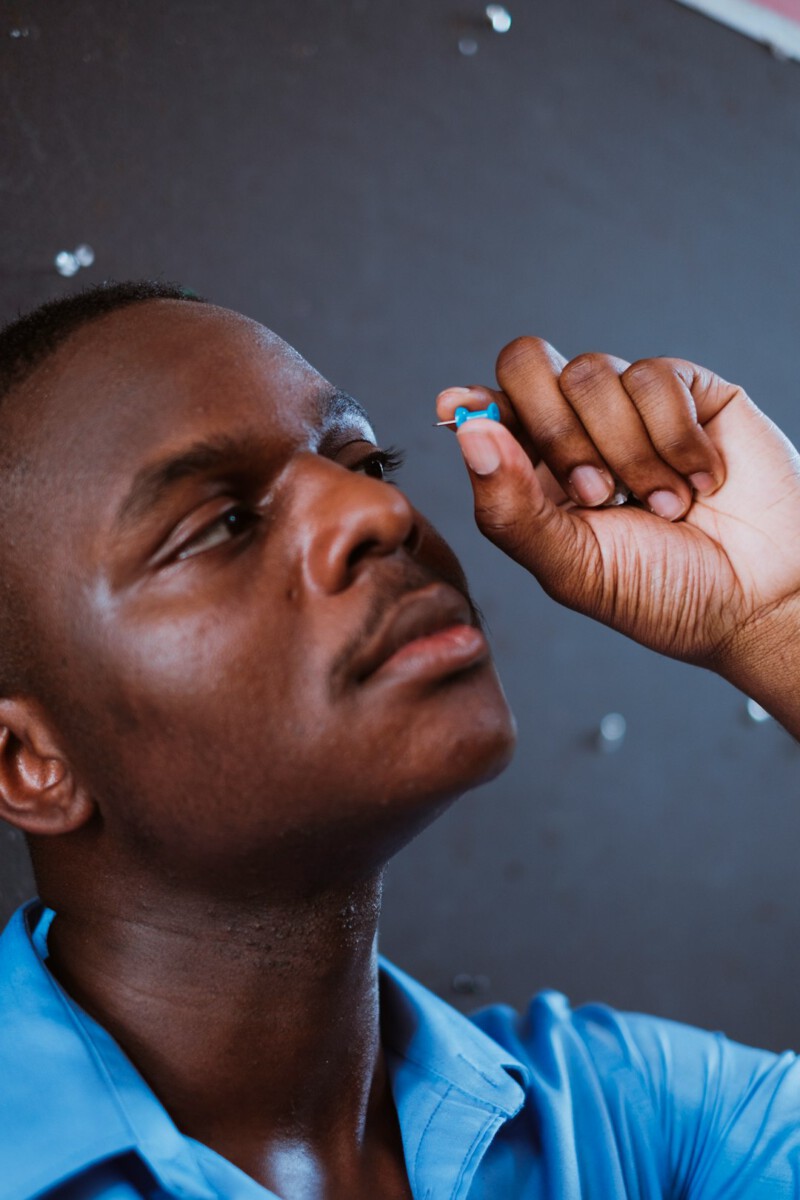
Widespread Reach of the Recalled Products (Image Credits: Unsplash)
Pomona, California – K.C. Pharmaceuticals recalled more than 3.1 million bottles of over-the-counter lubricating eye drops on March 3, 2026, because the firm could not verify the products’ sterility through proper testing. These items reached consumers under various brand names at retailers nationwide, raising concerns about potential bacterial or fungal contamination. Although no related infections surfaced as of early April, health officials emphasized the dangers of using nonsterile eye products, which can lead to serious infections in the eye’s vulnerable environment.
Widespread Reach of the Recalled Products
Eight specific eye drop formulations fell under the recall, distributed through a network of popular store brands. K.C. Pharmaceuticals manufactured these for private labels, exposing a broad consumer base to the issue. The affected bottles carry expiration dates from April 30, 2026, through October 31, 2026.
Shoppers encountered the products at chains such as Walgreens, CVS, Rite Aid, Kroger, Harris Teeter, Dollar General, Circle K, and Publix. The recall targeted items like Dry Eye Relief Eye Drops and Artificial Tears Sterile Lubricant Eye Drops, among others. To identify specifics, consumers should consult the FDA recall page, which lists precise lot numbers alongside product names and dates.
- Dry Eye Relief Eye Drops
- Artificial Tears Sterile Lubricant Eye Drops
- Sterile Eye Drops Original Formula
- Sterile Eye Drops Redness Lubricant
- Eye Drops Advanced Relief
- Ultra Lubricating Eye Drops
- Sterile Eye Drops AC
- Sterile Eye Drops Soothing Tears
Steps to Verify and Respond to the Recall
Determining if a bottle belongs to the recall requires matching the product name, lot number, and expiration date against the FDA’s detailed listings. For instance, certain Sterile Eye Drops AC lots expire on May 31, 2026. Products with differing details remain safe for use.
Anyone holding a matching item should discontinue use immediately and return it to the point of purchase for a refund. The FDA reported no adverse events by early April, yet vigilance remains essential. Symptoms of possible contamination include eye redness, stuck eyelids, unusual discharge, vision changes, swelling, pain, itchiness, or irritation—prompt medical care follows any such signs, along with a report to the FDA.
Pattern of Sterility Failures in Eye Drop Production
The eye drop sector faced heightened scrutiny after 2023 outbreaks linked to contaminated products caused widespread harm. A drug-resistant Pseudomonas bacteria strain infected 81 individuals across 18 states, leading to 14 cases of vision loss, four eye removals, and four deaths. Regulators pinpointed Global Pharma’s EzriCare Artificial Tears and Delsem Pharma’s offerings as sources.
Additional recalls followed for brands from Dr. Berne’s, LightEyez Limited, Pharmedica LLC, and Kilitch Healthcare, where inspectors found filthy conditions and falsified test results. K.C. Pharmaceuticals drew a FDA warning letter that year for inadequate contamination prevention procedures. Officials urged protocol overhauls and expert consultations, yet this latest action signals unresolved problems at the Pomona facility.
Regulatory Challenges and Consumer Protections
The FDA juggles drug approvals, manufacturing oversight for over-the-counter items, and defenses against counterfeits with finite resources. Inspections prioritize high-risk areas, such as eye drops proven problematic. Pre-2023 checks on these manufacturers proved rare until infections escalated.
Persistent lapses at repeat offenders like K.C. Pharmaceuticals underscore gaps in compliance. Stronger adherence to prior directives might have caught issues earlier, sparing millions of bottles. Consumers benefit most from proactive checks and swift regulatory responses.
Key Takeaways
- Verify lot numbers and dates on the FDA site before using eye drops purchased since April 2025.
- Monitor for infection signs and seek prompt care if they appear.
- Eye drop recalls highlight the need for rigorous manufacturing standards amid a history of severe outbreaks.
This recall serves as a stark reminder that everyday health products demand rigorous quality controls, especially for sensitive areas like the eyes. Proactive consumer action and sustained oversight can prevent future risks. What do you think about these ongoing manufacturing challenges? Tell us in the comments.