
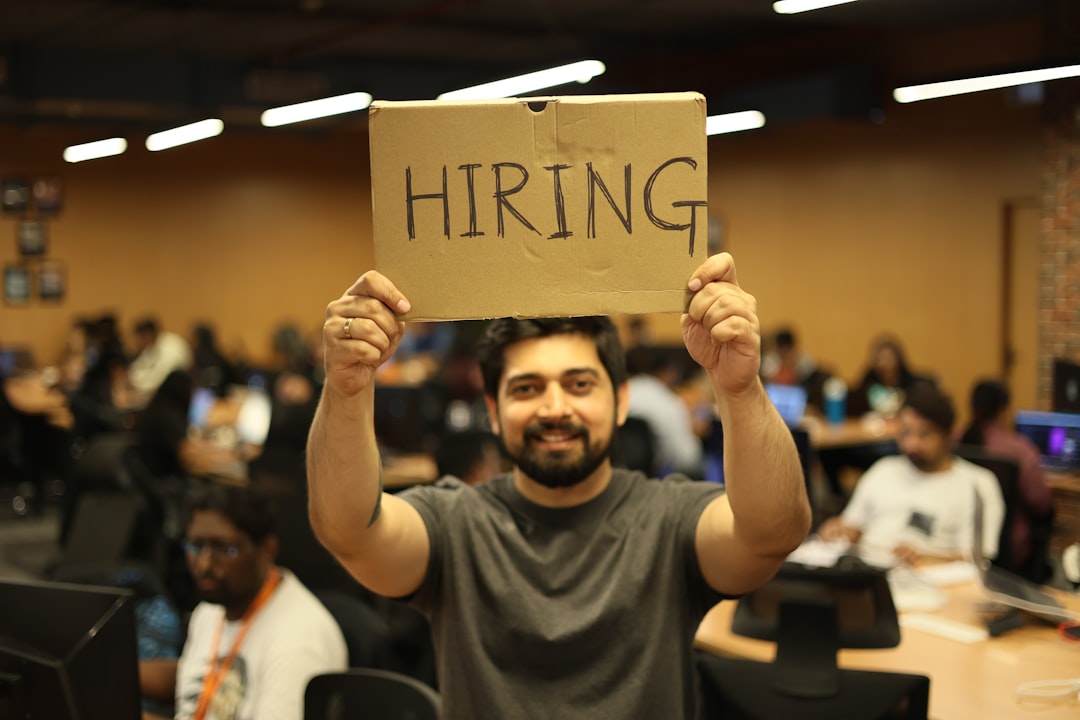
Myth 1: AI Tools Amplify Bias Beyond Human Levels (Image Credits: Unsplash)
Discussions about artificial intelligence in recruitment often polarize into unchecked enthusiasm or outright fear. Talent acquisition experts who deploy these tools daily see a different picture, one marked by practical improvements in fairness and efficiency. Persistent misconceptions continue to stall progress, leaving many organizations reliant on outdated methods that fall short for both employers and applicants.
Myth 1: AI Tools Amplify Bias Beyond Human Levels
Headlines from cases like Mobley v. Workday fuel worries that algorithms introduce unprecedented discrimination. Yet studies paint a clearer image. Research indicates AI evaluates female candidates up to 39 percent more equitably than human reviewers and offers 45 percent greater fairness to racial minorities.
Over 99.9 percent of recent employment discrimination claims targeted human decisions, not machines. AI lacks the snap judgments humans make in seconds-long resume scans. The key lies in pairing AI with human oversight to prioritize skills over proxies prone to prejudice.
Organizations clinging to manual screening perpetuate inequities. Effective systems shift focus to verifiable abilities, fostering decisions rooted in potential rather than assumptions.
Myth 2: AI Interviews Strip Away the Human Touch
Candidates sometimes dread robotic interactions as impersonal barriers. Feedback tells another story. Many report feeling at ease within minutes, rating sessions above four stars out of five.
Human processes favor those whose resumes align perfectly with fleeting recruiter priorities. AI provides every applicant a steady, unrushed chance to showcase skills. This levels the entry point without eliminating later human involvement.
Such interviews emphasize demonstration over documentation. They extend opportunities traditionally gated by timing or keyword matches. The result marks not dehumanization, but a fairer gateway to evaluation.
Myth 3: AI Judges Appearance, Accent, or Delivery
Applicants fear penalties for non-standard looks, voices, or setups. Well-engineered tools sidestep these entirely. Evaluation hinges on response content – reasoning depth, skill evidence, and alignment with role demands.
Designers build in blindness to traits inferable from video or audio. This counters biases that plague face-to-face sessions, where style often overshadows substance. Scoring follows predefined rubrics tied to job success predictors.
Humans unconsciously weigh polish alongside proficiency. AI enforces consistency, isolating what truly predicts performance. Candidates shine through their words, not their presentation.
Myth 4: AI Adoption Belongs in the Tech Department
Talent heads occasionally defer to IT, viewing tools as mere software. Hiring demands talent expertise at the helm. Technical teams excel in infrastructure, but overlook candidate experience and outcome metrics.
Leaders must grasp AI’s strengths, limits, and synergies with human judgment. Direct vendor dialogues reveal fit for specific needs. Evaluations center on talent attraction and retention, not just uptime.
- Assess how tools enhance decision speed without sacrificing quality.
- Probe integration with existing workflows.
- Prioritize vendor transparency on data handling and bias audits.
Delegating fully risks unused systems. Ownership ensures alignment with hiring goals.
The Actual Challenge Ahead
Stagnation poses the greater threat. Legacy methods carry known flaws – subjectivity, inconsistency, limited scale. AI elevates standards across equity, volume, and foresight.
Data backs viability; implementation demands commitment. Companies embracing hybrid approaches hire stronger teams while respecting applicants.
Key Takeaways
- Humans drive most bias; AI often mitigates it when designed right.
- Candidates value AI’s consistency over traditional hurdles.
- Talent leaders, not tech, should steer AI integration for real impact.
Forward-thinking organizations build processes that serve everyone better. The choice stands clear: evolve or lag. What steps is your team taking with AI in hiring? Share in the comments.