

A recent nationwide survey uncovered clear differences in how Americans approach casual chats with people they do not know. Some regions stand out for their openness to these quick exchanges, while others prefer to keep interactions brief or avoid them altogether.
Survey Methodology and Key Findings

The data comes from a Preply study that polled more than two thousand adults between December 16 and 20 in 2024. Researchers asked participants about how often they engage in small talk and how comfortable they feel starting conversations with strangers in everyday settings like stores or waiting areas.
Ohio earned the highest score at 5.53 out of a possible scale, followed by Alabama at 5.46 and Florida at 5.43. These numbers reflect measurable patterns in how frequently residents initiate or respond to brief social exchanges throughout their day.
Ohio Tops the List for Small Talk

Residents in Ohio show a consistent willingness to chat about everyday topics such as the weather or local events. This habit appears tied to the state’s community oriented culture where people often cross paths in shared public spaces.
The high ranking suggests that striking up a conversation here rarely feels out of place. Many locals view these moments as a natural part of daily routines rather than an interruption.
Alabama Follows Closely Behind
People in Alabama tend to extend small talk into slightly longer exchanges when the opportunity arises. The state’s social norms encourage politeness and curiosity about others, which helps conversations flow easily in places like coffee shops or parks.
Survey responses indicate that residents here report feeling at ease when a stranger comments on something nearby. This comfort level contributes directly to the state’s strong second place position in the rankings.
Florida Completes the Top Three

Florida’s mix of tourists and year round residents creates frequent chances for casual chats. Whether at beaches, theme parks, or grocery stores, people seem ready to comment on shared surroundings or ask simple questions.
The state’s score reflects a blend of Southern hospitality and the transient nature of many visitors. Locals and newcomers alike often find these brief interactions add a friendly touch to otherwise ordinary moments.
Factors Contributing to High Small Talk Rates

Regional culture plays a major role, with Midwest and Southern traditions emphasizing approachability. Economic structures that keep people in close knit communities also support more frequent exchanges.
Daily life patterns matter too. In these states, errands and commutes often bring individuals into repeated contact with the same faces, making initial conversations feel less random and more expected.
Benefits of Striking Up Conversations
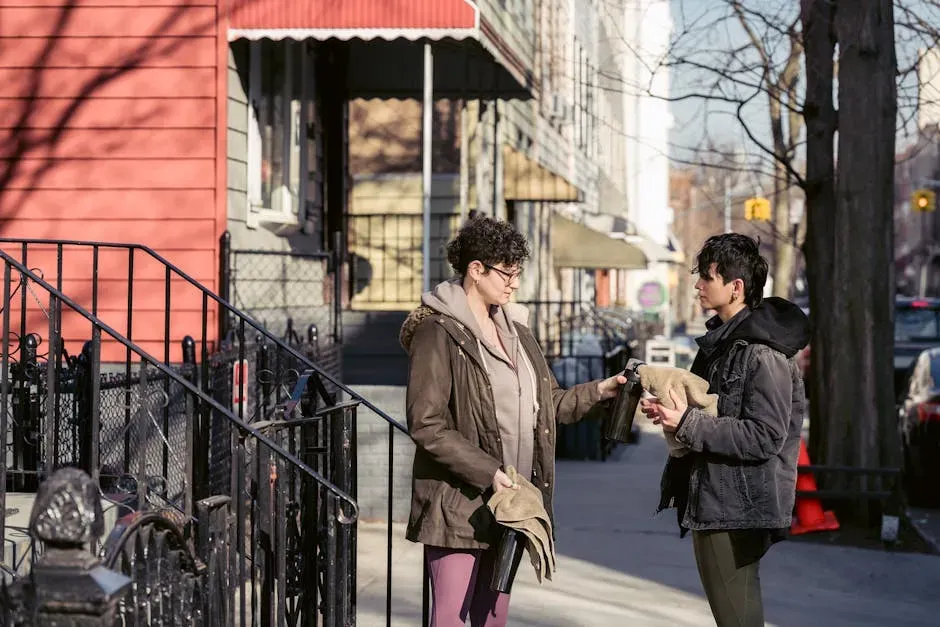
These quick talks can reduce feelings of isolation for both parties involved. They also build a sense of local connection that strengthens over time through repeated small interactions.
Participants in the study noted that such moments sometimes lead to useful information about the area or even longer friendships. The positive ripple effects appear most noticeable in states already ranked high for openness.
How These States Compare to National Averages

Nationwide, many Americans report mixed feelings about small talk, with some preferring to keep to themselves. The top three states exceed this average by noticeable margins in both frequency and comfort levels.
Lower ranked states like Texas, Idaho, and Missouri show scores well below the leaders. This contrast highlights how location shapes social habits more than individual personality alone.
Avoiding Small Talk in Other Regions

In places with lower engagement, people often cite busy schedules or a desire for privacy as reasons to limit chats. The study found these preferences create environments where strangers rarely initiate contact.
Travelers moving between regions notice the shift quickly. What feels normal in Ohio might seem unusual in a state where residents keep more distance during routine encounters.
Practical Advice for Engaging Strangers

Start with neutral observations about the immediate surroundings to keep things light. A comment on the weather or a shared wait time works well across most locations.
Pay attention to body language and respond only if the other person seems receptive. This approach respects personal boundaries while still allowing natural conversations to develop when the moment feels right.
Looking Ahead to Social Trends in 2026
Broader shifts toward digital communication continue to influence how often people choose in person chats. Yet the states already strong in small talk show resilience in maintaining these habits despite wider changes.
Future surveys may reveal whether these patterns hold steady or evolve with new generations. For now, the top three remain reliable spots for anyone hoping to connect briefly with someone new.