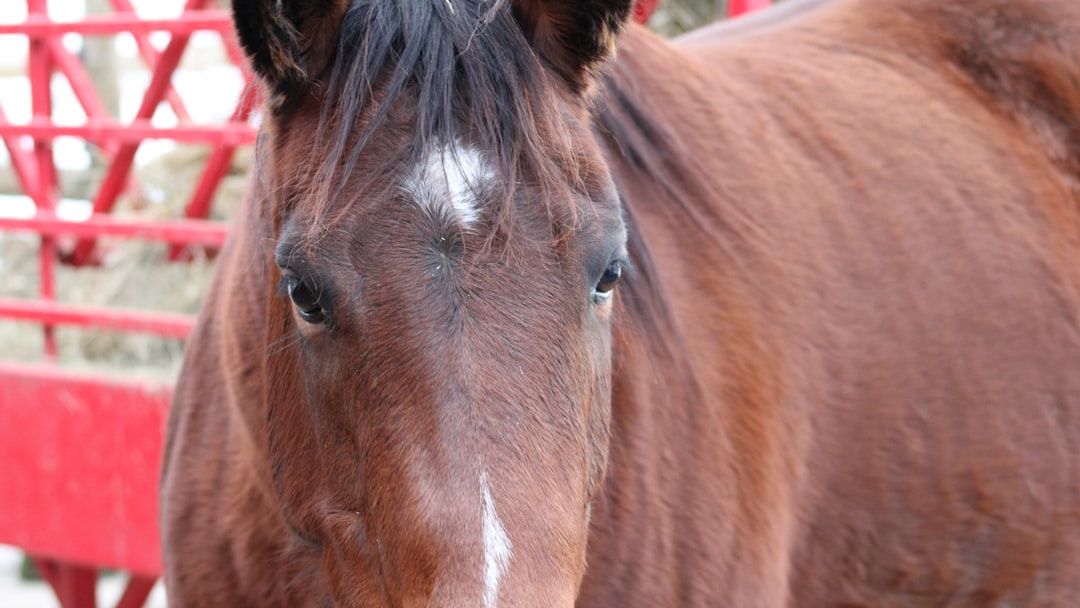
Fort Hood horse up for adoption, with more on the way – Image for illustrative purposes only (Image credits: Unsplash)
Fort Hood – A horse named A.C. Cotton from the 1st Cavalry Division’s Horse Cavalry Detachment has become the first in a planned series to enter civilian adoption. Requests for the animal are now being accepted, signaling a deliberate shift in how the unit manages its equine assets. The move reflects ongoing efforts to place trained horses with suitable owners while the detachment continues its ceremonial and training roles.
Why This Horse Matters
A.C. Cotton represents more than a single animal leaving military service. The horse has been part of a detachment that preserves mounted traditions within a modern armored division. Its availability for adoption highlights the practical side of maintaining such units, where horses eventually reach a point where private homes offer the next logical step.
Potential adopters gain access to an animal already accustomed to disciplined handling and public events. This background can ease the transition for both the horse and its new caretakers, reducing the usual adjustment period seen with untrained animals.
How the Process Works
Interested parties must submit formal requests to begin the adoption review. The detachment evaluates each application to match the horse with environments that support its continued well-being and activity level. Timing plays a role, as the unit has indicated additional horses will follow the same route in coming months.
Adoption through this channel differs from standard civilian rescues because the horses arrive with documented training histories. Owners receive animals prepared for structured routines rather than starting from basic groundwork. This detail often appeals to experienced equestrians seeking reliable partners for riding or exhibition work.
What Comes Next for the Detachment
The current adoption round is not an isolated event. The Horse Cavalry Detachment has signaled that more horses will enter the pipeline, creating a steady flow of placements over time. This approach allows the unit to refresh its herd while giving retired animals opportunities outside military facilities.
Observers note that such programs balance tradition with modern logistics. Horses that once participated in parades and demonstrations can now contribute to private stables, farms, or therapeutic settings. The process keeps the focus on responsible placement rather than simple retirement.
Those considering an application are encouraged to act promptly, given the limited number of horses involved in each cycle. The detachment continues to accept inquiries as it prepares the next group for similar transitions.