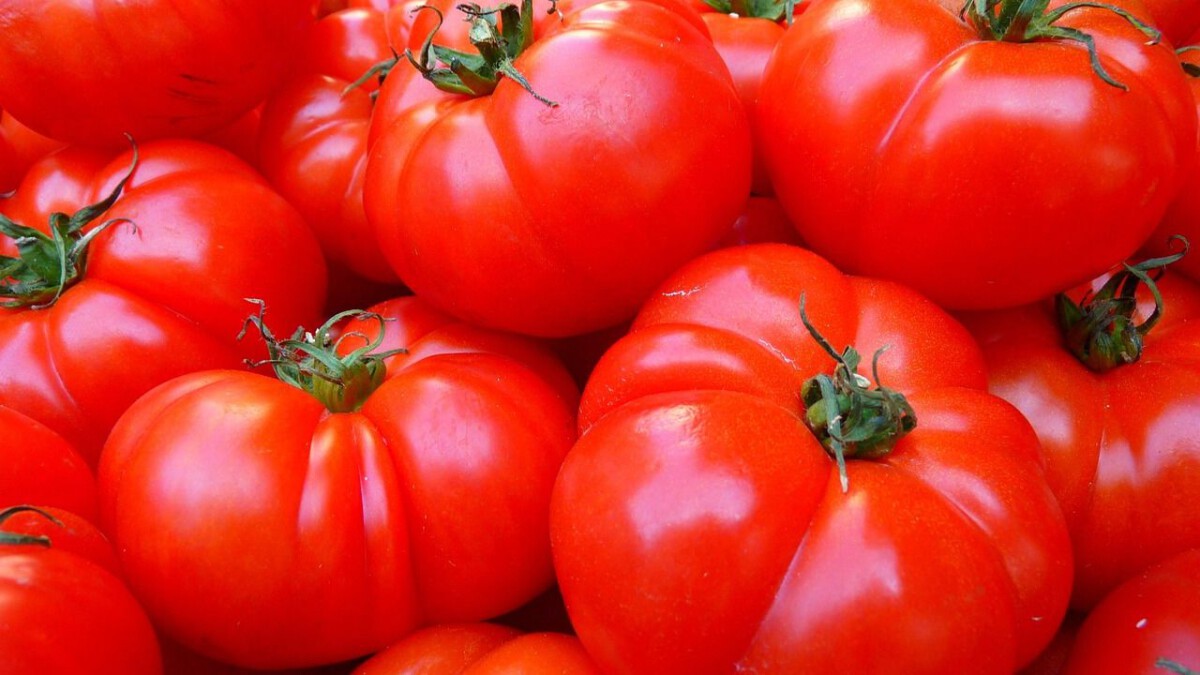
Food manufacturer Cento is committing “tomato fraud,” lawsuit alleges – Image for illustrative purposes only (Image credits: Pixabay)
Two California residents launched a proposed class-action lawsuit against Cento Fine Foods this week, alleging the company misleads shoppers with its “Certified San Marzano” canned tomatoes.[1][2] The plaintiffs contend that the labeling creates a false impression of authenticity, prompting consumers to pay higher prices for what they describe as inferior products. Filed in the U.S. District Court for the Northern District of California, the suit seeks more than $25 million in damages and changes to the company’s practices.[3]
The Heart of the Allegations
Plaintiffs argue that Cento Fine Foods violates California consumer protection laws through deceptive marketing. They claim the tomatoes lack the taste, consistency, and physical traits consumers associate with genuine San Marzano varieties.[4] The complaint states that the “Certified San Marzano” label falsely suggests endorsement by Italy’s official consortium, leading buyers to expect top-tier quality at a premium cost.
These shoppers, who purchased over a dozen cans, said they would not have bought the product – or paid extra – if they knew it fell short. The suit portrays Cento as a key player in what plaintiffs call widespread “tomato fraud” in the U.S. market. It demands restitution, punitive damages, and an end to the allegedly unfair labeling.[5]
What Defines a True San Marzano Tomato?
Authentic San Marzano tomatoes hold a revered status in Italian cuisine, protected under the European Union’s DOP designation. They must grow in the Agro Sarnese-Nocerino valley near Mount Vesuvius in Campania, Italy, on volcanic soil that imparts unique flavor.[1] Only the Consorzio di Tutela del Pomodoro San Marzano DOP certifies them, enforcing rules on variety, hand-harvesting, and processing.
These plum tomatoes feature an elongated shape, pointed tip, thicker walls, fewer seeds, and lower acidity, yielding sweeter sauces ideal for pasta and pizza. The lawsuit asserts Cento’s version, certified instead by third-party Agri-Cert, fails these benchmarks and misrepresents its pedigree.[3]
| Authentic San Marzano (DOP) | Cento’s Claimed Product |
|---|---|
| Grown exclusively in Agro Sarnese-Nocerino valley | Certified by Agri-Cert, not Consortium |
| Strict Consortium oversight on quality/origin | Lacks alleged taste/consistency traits |
| Protected EU status like Champagne | Sold at premium over standard canned tomatoes |
Cento’s Position and Past Precedents
Cento Fine Foods, a New Jersey-based importer of Italian specialties, maintains its labels accurately reflect the contents. A company attorney described the new claims as “entirely without merit” and vowed a vigorous defense, including a motion for dismissal.[2] The firm highlights independent audits of its Italian fields and traceability tools on cans.
This echoes a 2019 New York federal case, where similar accusations led to dismissal in 2020. The judge ruled reasonable consumers would not assume third-party certification inferior to the Consortium’s. Cento notes it voluntarily shifted certifiers in the 2010s over labeling disputes but insists its tomatoes originate from the proper region.[3]
Implications for Consumers and the Market
Premium canned tomatoes like San Marzanos command prices well above ordinary varieties, drawing home cooks and chefs seeking superior results. Shoppers often scan labels for “certified” seals, trusting them as guarantees of origin and quality. This case underscores risks in navigating import authenticity amid rising demand for Italian staples.
- Check for the official DOP seal and Consortium name on packaging.
- Use lot codes for traceability where offered.
- Compare prices: Real DOP versions typically cost more due to limited supply.
- Review third-party certifications critically, as standards vary.
The suit spotlights broader tensions between protected designations and global branding. As legal proceedings unfold, it may prompt closer scrutiny of pantry essentials.
For everyday buyers, the dispute raises a simple question: How much does that certification seal on the shelf truly matter? Cento products remain widely available, but informed choices could shape future purchases and industry practices alike.