
Spirulina: The Tiny Powerhouse Algae
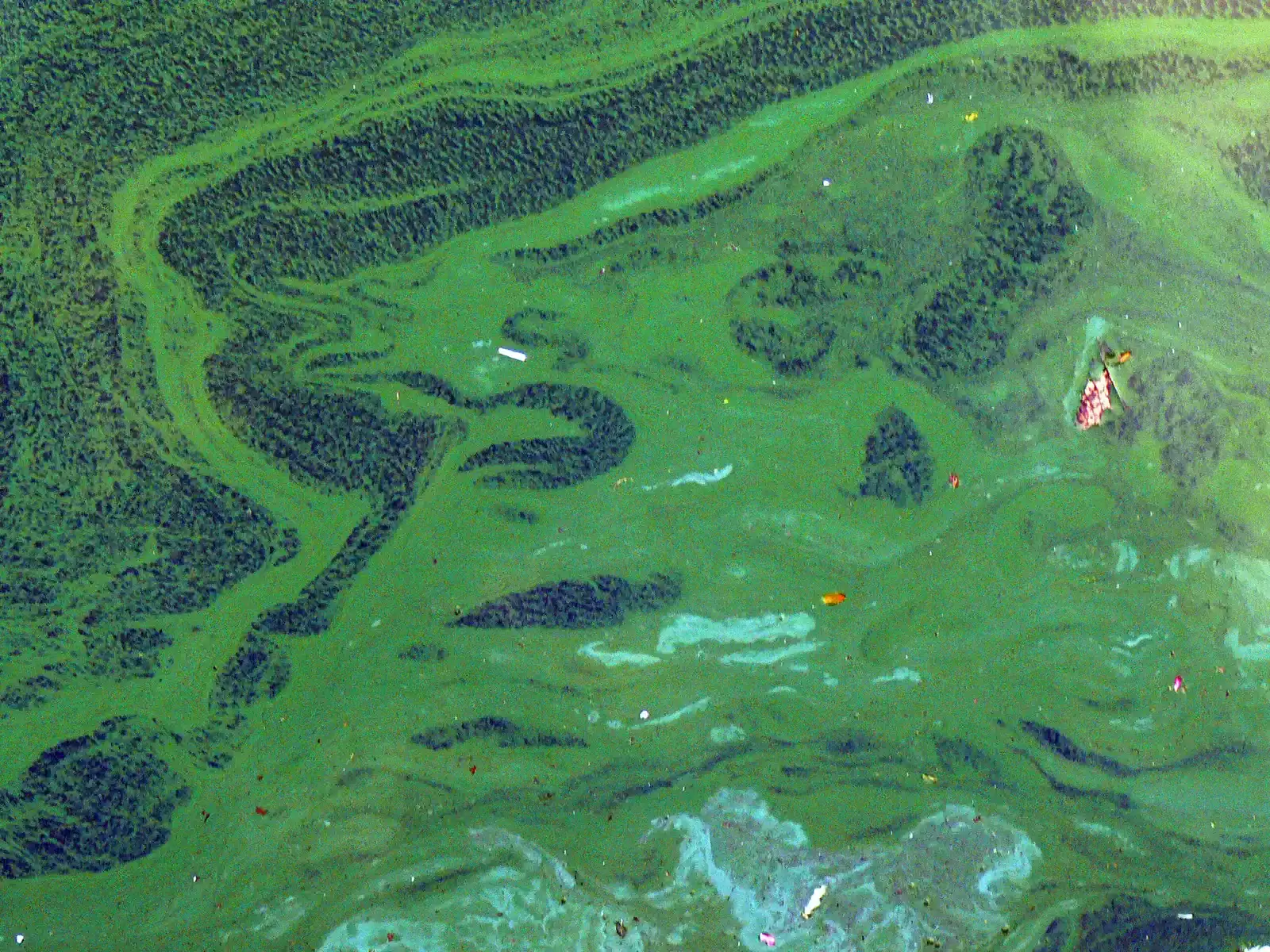
Spirulina thrives in harsh conditions like salty lakes or controlled tanks, making it perfect for places short on farmland. This blue-green algae packs 50 to 70 percent protein by dry weight, outshining many traditional sources. Farmers grow it with almost no freshwater, just sunlight and simple nutrients. In Western cultures, people wrinkle their noses at the idea of algae as food, seeing it more as a supplement than a meal. Yet spirulina blends easily into smoothies, bars, or pasta dough for that protein boost. Its rapid growth cycle means harvests every few days, slashing production time compared to raising cattle. Sustainability experts highlight how it sidesteps the massive land use tied to livestock. By 2050, with populations climbing toward 9.7 billion, spirulina could fill gaps left by strained meat supplies.
Current challenges include scaling up production without contamination risks in open ponds. Still, advances in vertical farming keep it clean and efficient. Culturally, Asia has embraced spirulina for decades in noodles and snacks, proving palatability works. Companies now powder it for burgers or shakes, masking any pond-like taste. Livestock farming pumps out 14.5 percent of global emissions, pushing regulators toward algae alternatives. Spirulina absorbs CO2 while growing, adding eco perks. Practical tip: start with spirulina tablets if powders scare you off. Expect it in everyday groceries as demand surges and prices drop.
Seaweed: The Ocean’s Unsung Protein Hero
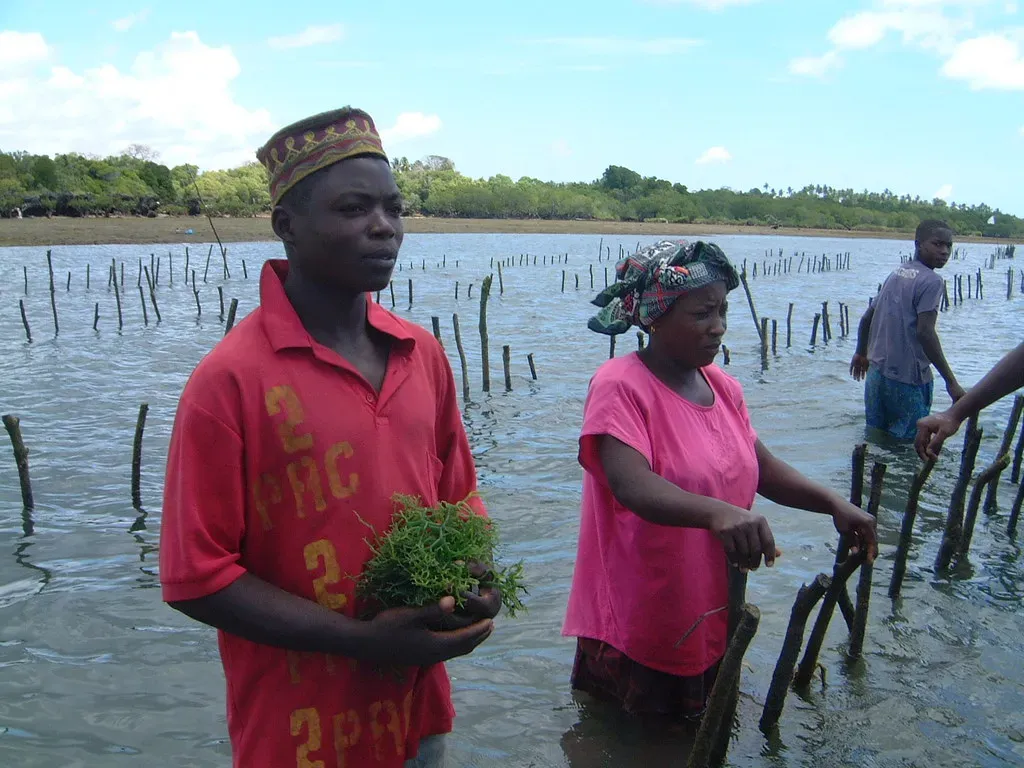
Seaweed farms dot coastlines worldwide, needing zero land, fertilizers, or freshwater to flourish. Varieties like kelp or nori offer solid protein alongside vitamins and minerals. They suck up carbon dioxide, helping combat climate woes from meat production. In Europe and North America, seaweed stays niche, mostly sushi wrappers or salads, but that’s shifting. Farmers harvest it sustainably, letting it regrow fast without depleting oceans. Its mild flavor fits soups, chips, or even meat substitutes. Global trials show seaweed yields far exceed soy or corn per acre. As protein needs skyrocket, seaweed steps up without the ethical baggage of factory farms.
Cultural hang-ups label it slimy or fishy, though processing dries and flavors it nicely. Japan and Korea eat tons yearly, normalizing it through snacks and broths. Production scales easily on ropes in the sea, dodging drought issues plaguing crops. It pairs with grains for complete proteins, ideal for vegan diets. Emissions from cattle rival entire countries, making seaweed a clean swap. Practical uses include seaweed leather or biofuels from leftovers. By mid-century, expect it fortified in breads or drinks everywhere. Tides of change bring affordability as tech improves drying and taste.
Crickets: Crunchy and Efficient Insect Protein

Crickets convert feed to protein better than beef, needing up to 50 percent less to produce one kilogram. They boast 60 to 70 percent protein dry weight, plus healthy fats and fiber. Farming them takes 80 percent less land than livestock, with tiny water footprints. In the U.S. and Europe, the crunch factor freaks folks out, but ground into flour, they vanish into cookies or tacos. Around 2 billion people in Africa, Asia, and Latin America munch them routinely, from fried snacks to pastes. The edible insect market heads past $8 billion by late 2020s, fueled by bars and powders. Emissions plummet compared to cows, easing planetary strain. Practical farming fits warehouses, no vast pastures required.
Skeptics cite hygiene fears, yet controlled farms ensure safety beyond wild bugs. Thailand sells cricket ice cream, proving versatility wins minds. They grow fast, ready in weeks, not years like steers. Blends with chocolate hide textures for newbies. Livestock’s gas output demands urgent shifts, spotlighting crickets. Nutrition edges out chicken in iron and B12. Start simple with cricket protein shakes post-workout. Mainstream chains test menus, paving the way for 2050 shelves stocked high.
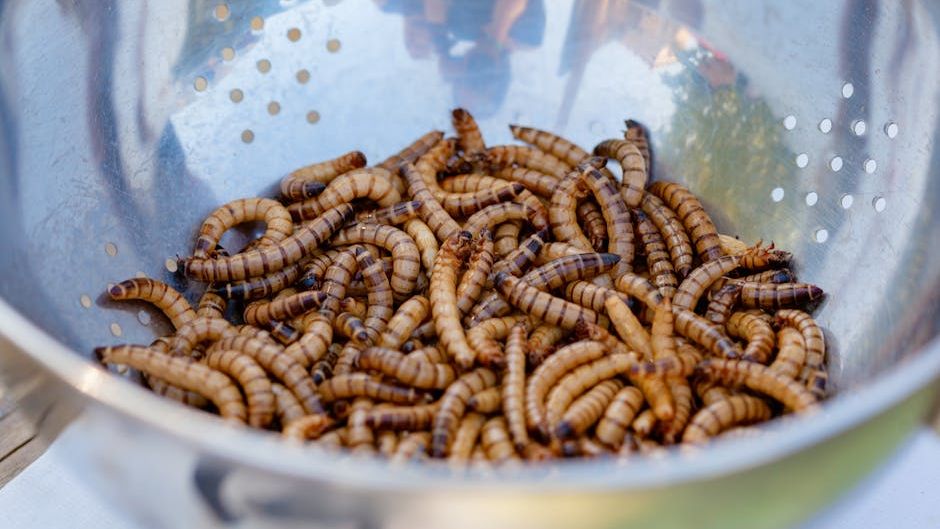
Mealworms: The Larva Lunch of the Future
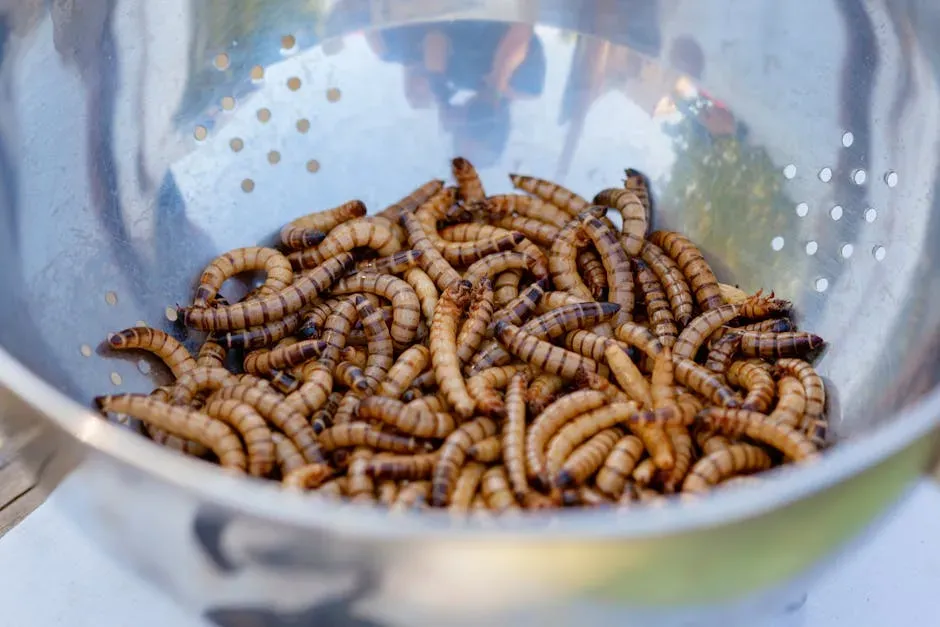
Mealworms match crickets in protein punch, hitting 60 to 70 percent by dry weight with low-fat profiles. They thrive on veggie scraps, cutting feed costs and waste dramatically. Land use drops 80 percent versus beef, water too. Western taboo roots in wriggly visuals, but roasted or milled, they mimic nuts or oats. Mexico and China feature them in markets, fried or in breads. Insect farming slashes emissions, vital as populations near 10 billion. Flour makes tortillas or cereals seamless. Farms stack vertically, urban-friendly without odors if managed right.
Defenses against disease keep them pristine for food chains. Acceptance grows via pet food crossovers to human grade. They mature quick, harvests weekly possible. Pair with spices for bold chips or bars. Beef’s resource hog status fades against such efficiency. Omega-3s abound, heart-healthy bonus. Try mealworm butter in baking for subtle starts. Projections see alternative proteins dominating markets by 2050, mealworms leading packs.
Black Soldier Fly Larvae: Waste-Eaters Turned Superfood
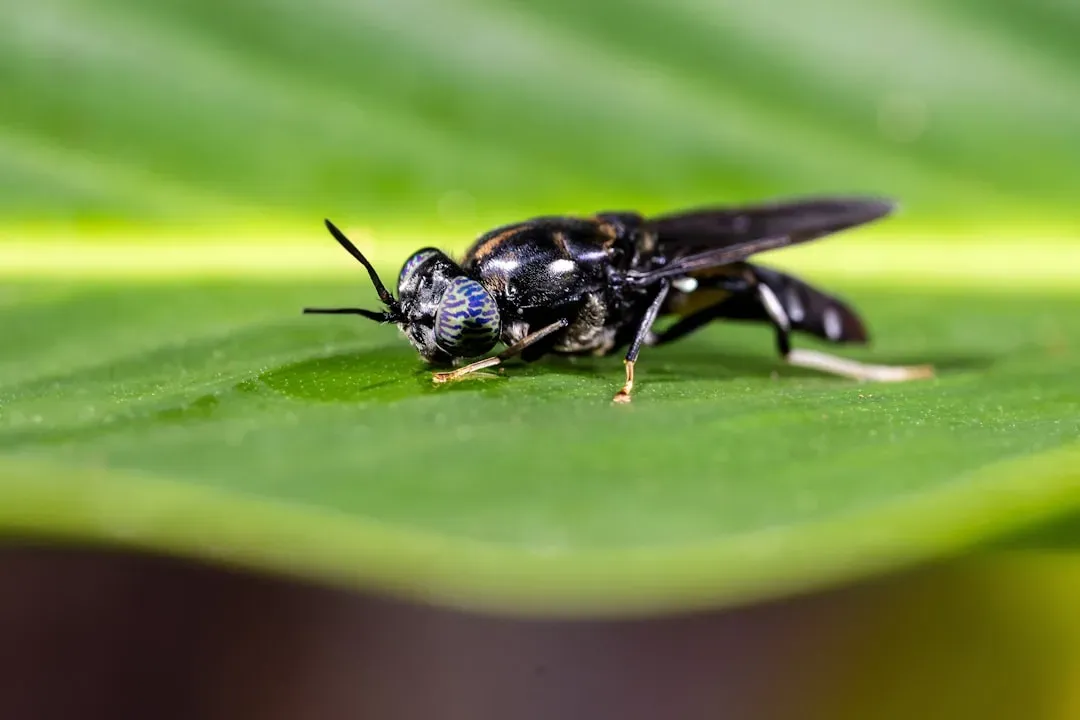
Black soldier fly larvae devour organic waste, turning trash into 60 percent protein gold. Feed efficiency rivals top insects, half that of beef per kilo. Minimal land and water make them ultra-sustainable. In developed nations, the maggot image repels, yet dried and powdered, they boost smoothies undetected. Parts of Africa farm them for fish feed, now eyeing human tables. They cut methane from waste piles, dual eco-win. Processing yields oils for cooking too. As meat demand strains resources, these larvae offer relief.
Regulations tighten for safety, but biotech ensures purity. Europe approves them in pasta now, normalizing fast. Growth from egg to harvest spans days only. Mix into patties or energy gels practically. Cattle emissions underscore the switch necessity. High calcium levels aid bones uniquely. Experiment with larvae snacks flavored spicy. By 2050, they could anchor global diets quietly.
A Protein Shift on the Horizon
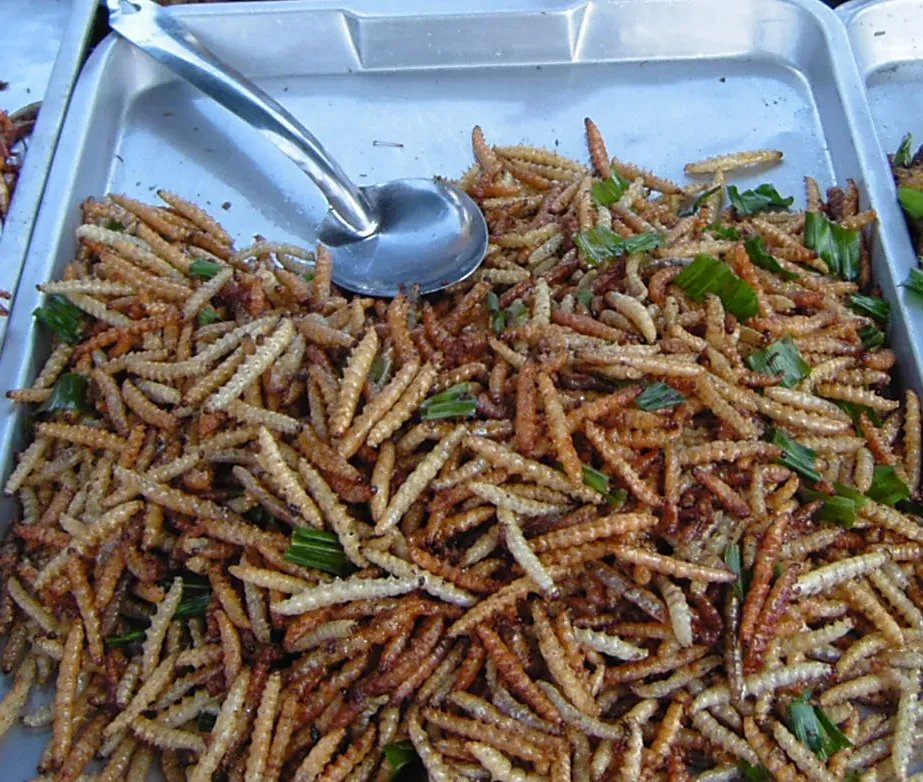
These taboo foods tackle head-on the crunch from 9.7 billion mouths by 2050. Livestock’s 14.5 percent emission share demands smarter paths forward. Insects and algae already feed billions traditionally, easing cultural jumps. Markets boom, alternative proteins claiming big slices soon. Sustainability math favors them overwhelmingly. Practical products proliferate, tastes adapt quick. Global unity on climate forces acceptance. Everyday meals evolve naturally from here.
Challenges linger in scaling and mindsets, yet momentum builds. Western shelves stock more each year. Nutrition holds up, often surpasses old standbys. Waste reduction and carbon cuts seal deals. Farmers pivot profitably to new models. Diets diversify for health and planet. The future tastes different, but promising. Embrace the change one bite at a time.