
E-commerce Boom Overwhelms Traditional Mail

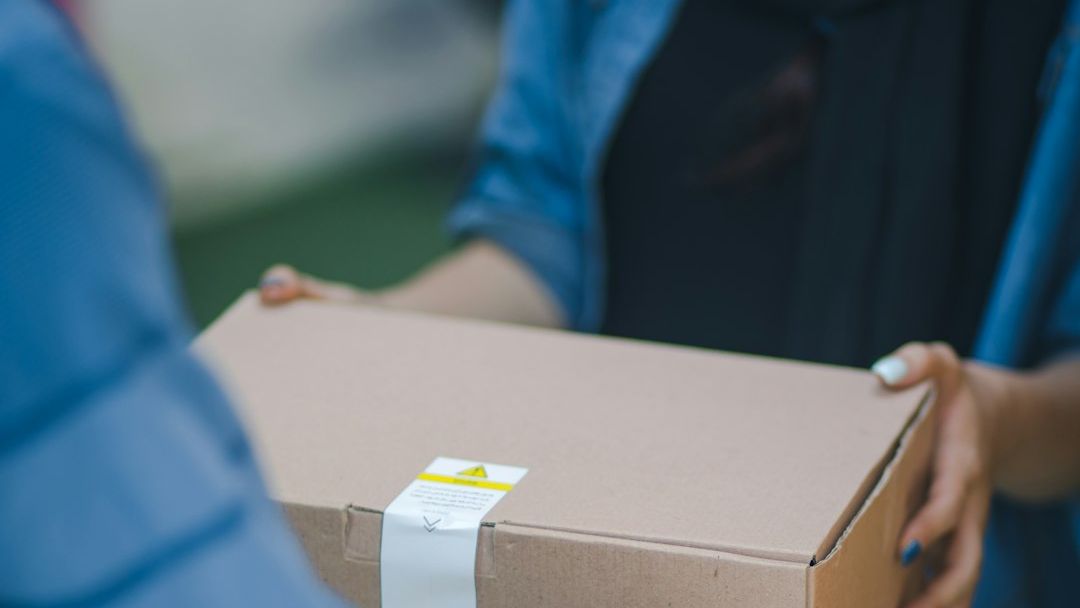
Global e-commerce sales topped six trillion dollars in 2024 alone. That surge has piled on pressure for parcel handling like never before. Postal services now manage way more packages than letters. Traditional mail just can’t keep up with the pace. Delivery networks stretch to handle the extra load every day. Customers expect quick turnarounds on their online buys. Post offices shift focus to support this massive growth in parcels.
Volume for letter mail keeps dropping steadily across many regions. Some areas saw over 30 percent decline in the last ten years. People send fewer physical letters thanks to email and apps. Bills arrive digitally more often now. Businesses cut back on bulk mailings too. This trend leaves post offices rethinking their core business. Parcel services step in to fill the gap left behind.
Automation Takes Over Sorting Halls
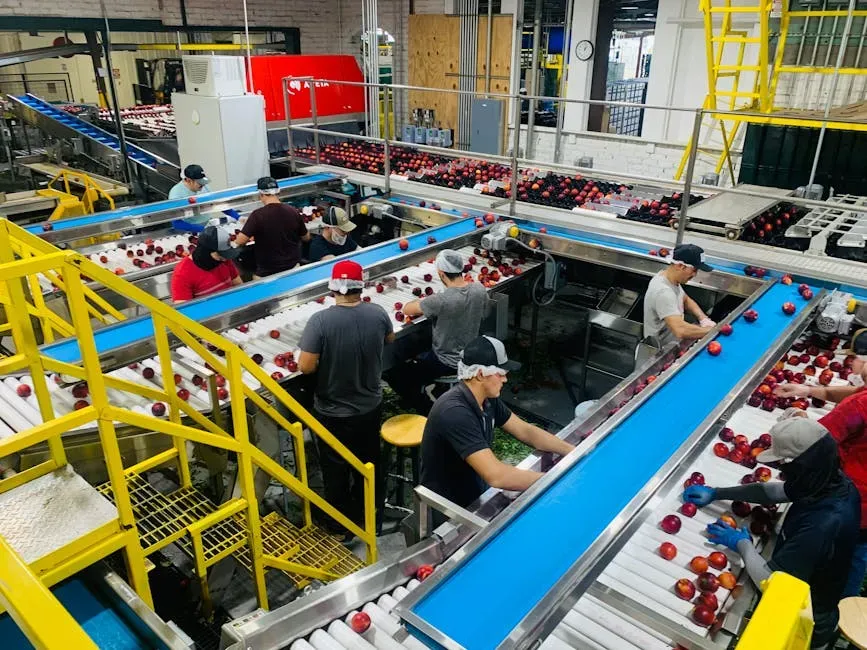
New automated sorting systems handle tens of thousands of parcels each hour. Machines scan, sort, and route items with pinpoint speed. Human workers oversee but don’t touch every box anymore. Errors drop sharply with this tech in place. Efficiency gains let services process peak holiday rushes smoothly. Training focuses on machine maintenance over manual labor. Post offices install these systems to stay competitive.
Costs come down as labor needs shrink over time. Older facilities get retrofitted with robotic arms and conveyor belts. Data from scans helps predict delivery times better. Integration with AI improves routing decisions on the fly. Global operators roll out similar upgrades worldwide. Rural spots get scaled-down versions to match local volumes. By 2027, most sorting could run mostly on autopilot.
Self-Service Kiosks Cut Wait Times
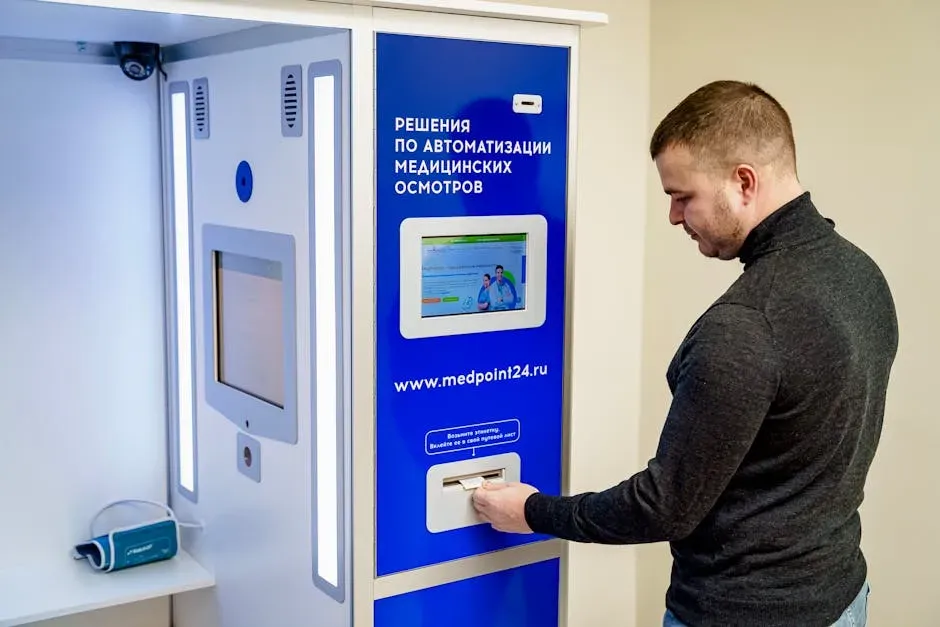
Postal operators pour money into kiosks for stamps and postage. Customers print labels right there without joining lines. Touchscreens guide through simple steps quickly. These machines operate around the clock in many locations. Staffing eases up as foot traffic spreads out. Digital payments make transactions seamless. Post offices place them inside and at nearby stores.
Wait times shrink dramatically with fewer people at counters. Users handle routine tasks independently now. Apps link to kiosks for even faster service. Maintenance crews keep them running reliably. Expansion plans add hundreds more each year. Rural branches benefit most from this shift. Traditional clerks focus on complex needs instead.
Last-Mile Delivery Costs Spark Innovation
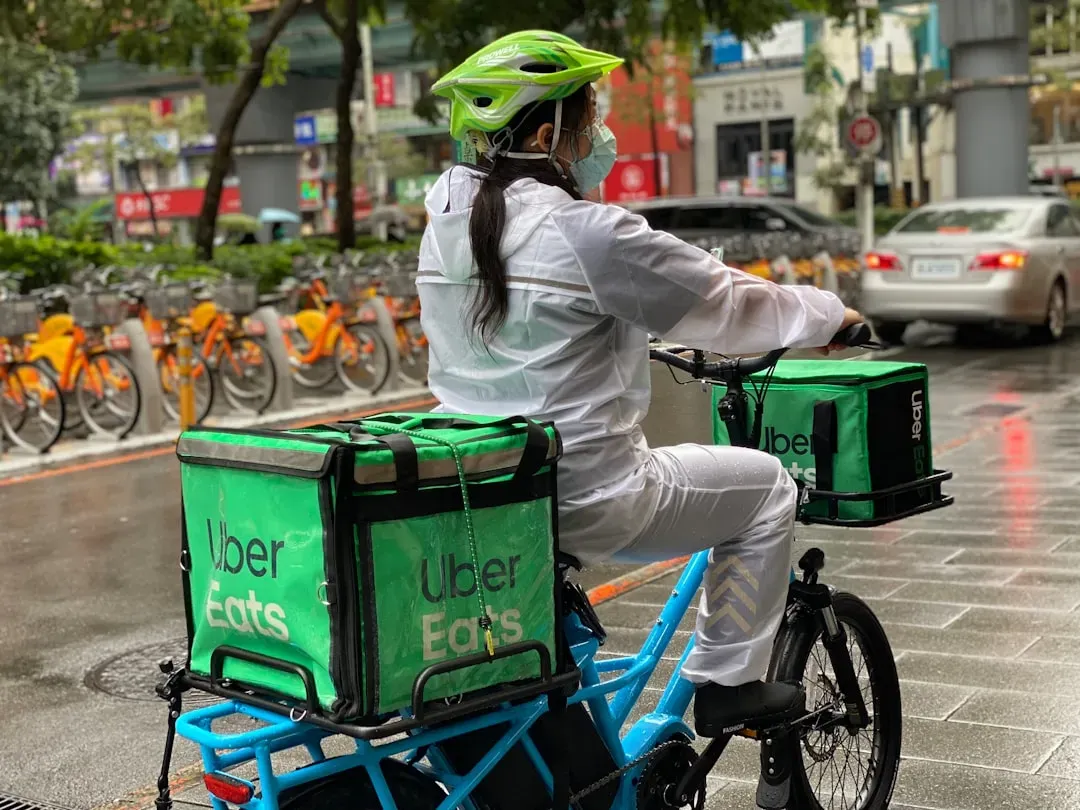
Last-mile delivery eats up half of total shipping expenses in many cases. Services experiment with lockers and drone drops to trim that. Packages wait securely for pickup at convenient spots. Drivers avoid multiple stops per address this way. Costs fall as routes optimize better. Urban areas test these methods daily. Global trends push for smarter endpoints.
Drones handle short hops in approved zones already. Electric bikes weave through traffic for quick drops. Partnerships with retailers add pickup options. Data tracks package locations in real time. Customer apps notify when ready. This evolution cuts failed deliveries too. Post offices partner up to make it work smoothly.
Parcel Lockers Expand Everywhere
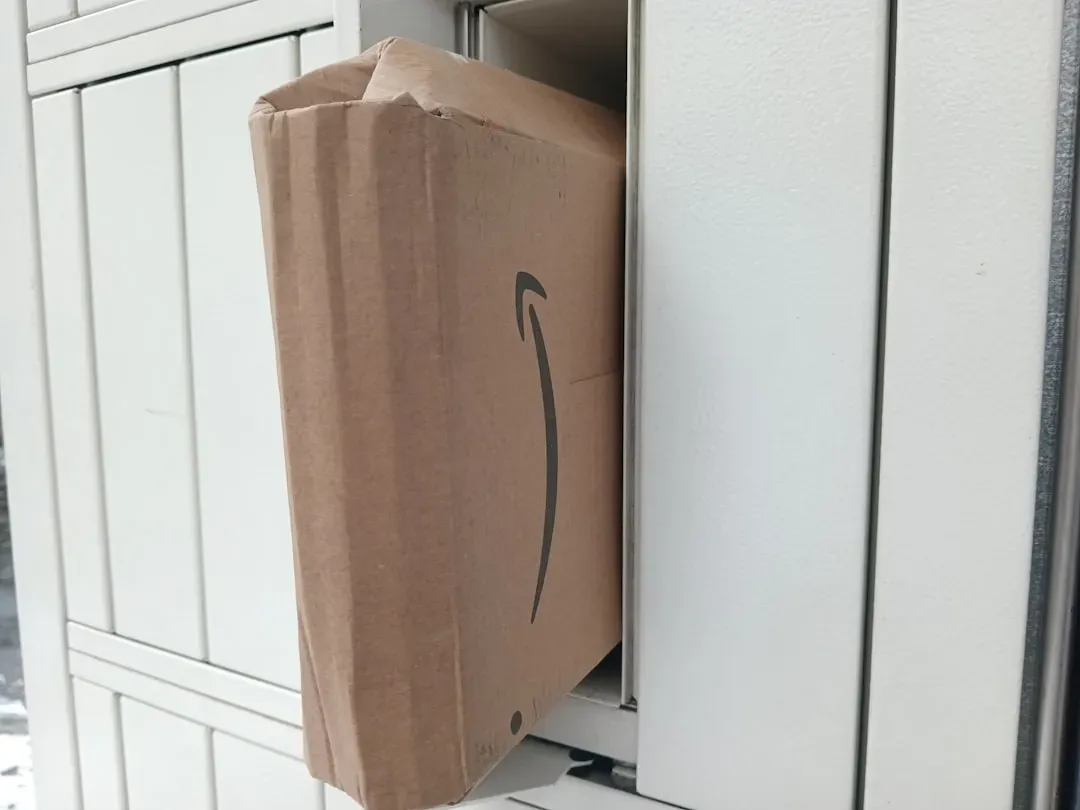
Locker networks grow fast with thousands installed yearly in some countries. They offer 24/7 access for package pickup. No need to rush during business hours anymore. Secure codes release items via apps. Theft risks drop compared to porch drops. Cities cluster them near apartments and offices. Rural versions pop up at gas stations.
Users scan QR codes or enter pins effortlessly. Capacity scales with modular designs. Maintenance apps alert for refills. Integration with major carriers broadens use. Surveys show high satisfaction rates. Post offices build these into branch lobbies too. By 2027, they could dot every neighborhood.
Electric Vehicles Green the Fleet
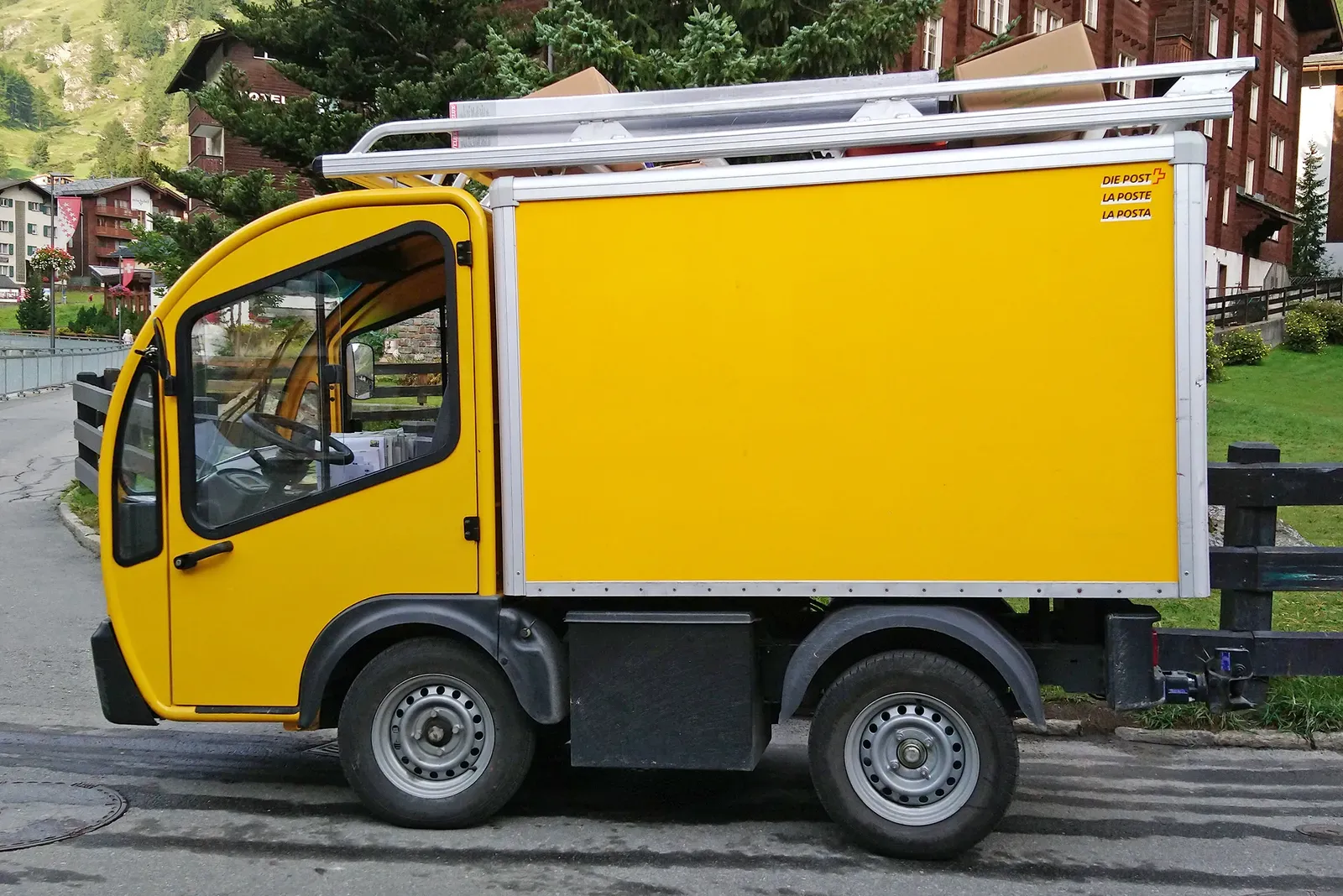
Postal services switch to electric delivery vans to cut emissions. Some fleets target full electrification by 2030. Charging stations go up at depots nationwide. Range improves with newer battery tech. Urban routes suit EVs perfectly for short hauls. Fuel savings add up quickly over time. Governments offer incentives for the switch.
Quiet rides mean less noise in neighborhoods. Maintenance differs from gas engines but proves reliable. Pilots test models in various climates. Drivers train on new systems smoothly. Global leaders like this push forward aggressively. Post offices lead in sustainable logistics. Cleaner air benefits everyone nearby.
Customers Prefer Pickup Over Counters
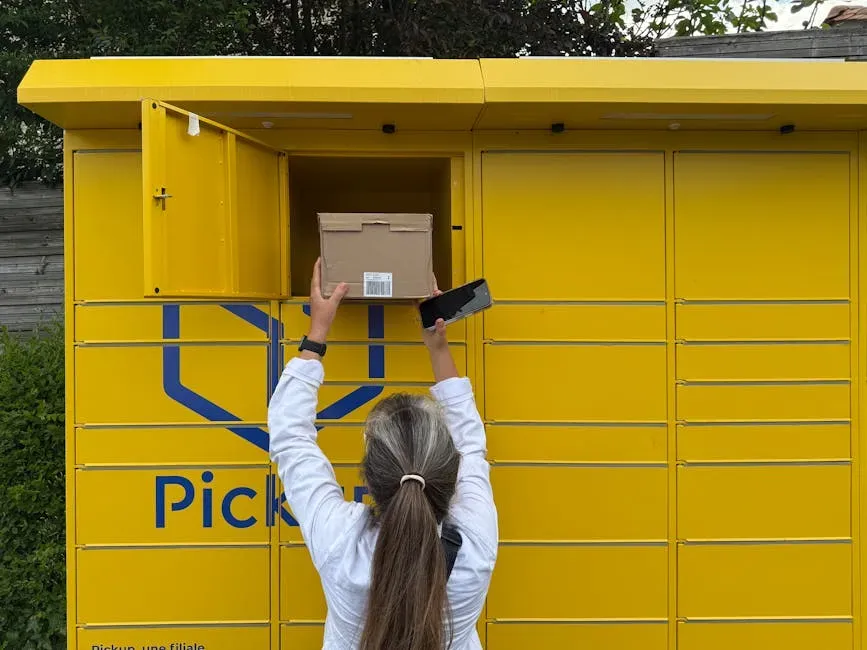
Over 70 percent of folks now choose home delivery or nearby pickups. Few want to visit post office counters these days. Convenience drives this big shift in habits. Apps let them track and select options easily. Busy schedules favor flexible timing. Retailers and lockers compete for loyalty. Traditional visits drop off steadily.
Surveys confirm satisfaction with alternatives. Families avoid dragging kids inside branches. Elderly users warm to app-guided pickups. Services adapt menus to match preferences. Counters handle specialty items only. This change reshapes branch layouts entirely. Foot traffic patterns evolve year by year.
New Digital Services Fill the Gap
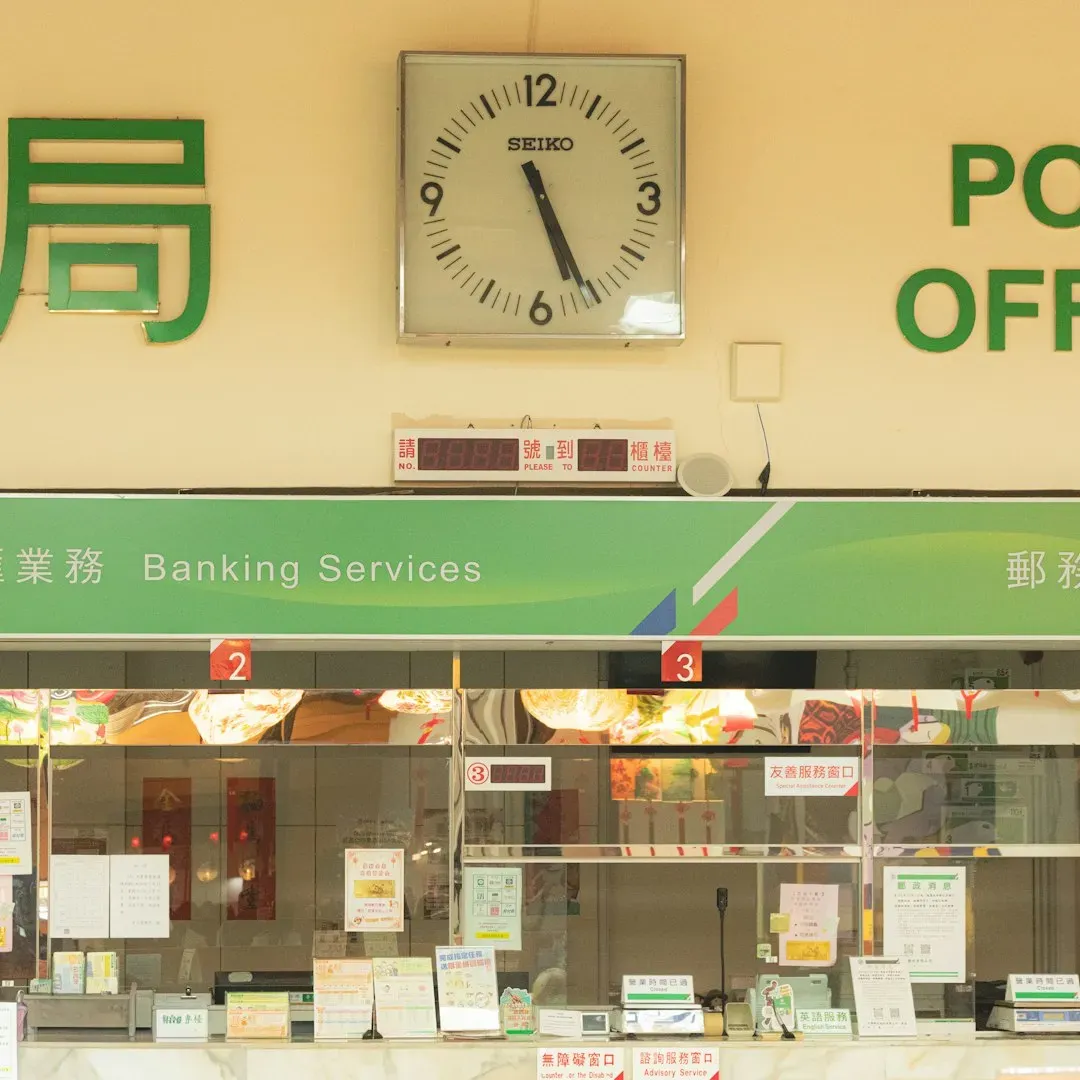
Post offices pivot to digital identity and secure documents. They verify IDs and notarize online now. Blockchain secures transactions reliably. Customers access services via apps linked to branches. This replaces some old mailing roles neatly. Partnerships with banks expand offerings. Tech upgrades make it all possible.
Government programs route through postal networks. Privacy protections build trust quickly. Usage grows as awareness spreads. Staff trains on digital tools steadily. Rural access improves with mobile units. Global models inspire local tweaks. Branches become hybrid hubs by 2027.
Workforce Shifts to Tech and Logistics

Automation prompts restructuring across postal workforces. Jobs move toward tech support and logistics planning. Fewer sorters mean more analysts watching data. Training programs upskill current employees. New hires bring IT skills to the table. Unions negotiate smooth transitions carefully. Efficiency rises without mass layoffs.
Delivery roles emphasize route optimization now. Drones and robots need human supervisors. Customer service goes digital first. Branches staff for high-value interactions. Global operators share best practices. Younger workers fit the tech-heavy environment. Post offices evolve into modern logistics centers.
A Glimpse of the 2027 Post Office

Your local branch might feature sleek kiosks up front. Lockers line one wall for easy grabs. Electric vans charge outside quietly. Counters serve walk-ins with complex needs only. Screens display digital service options. Staff helps with tech setups personally. The vibe feels more like a convenience hub.
Fewer mailboxes cluster near entrances. Apps handle most routine stuff ahead. Packages flow through automated back ends. Sustainability shows in every detail. Customers come for specialized help now. Global trends shape this familiar spot. Change brings efficiency without losing the community feel.