

Sign 1: A Family Member Recently Passed Without a Will

Many people find themselves in line for inheritance when a relative dies without a will, leaving assets to be distributed under intestacy laws. These laws typically prioritize spouses and children first, then other close relatives if no immediate family exists. Recent surveys indicate that around 68 percent of Americans lacked a will in 2024, rising to estimates of 76 percent dying without one by 2025. This means a good portion of estates go through intestate succession, where courts decide who gets what based on family ties. You might notice this sign if you’ve heard about a relative’s passing and no one mentions a formal will or trust. The process starts with probate, which validates the lack of a will and gathers assets. Expect this to take anywhere from nine months to two years on average, depending on the estate’s complexity. Delays often come from locating all heirs or sorting debts first.
Immediate family usually learns about their potential share during probate filings, which can feel surprising if the relative kept finances private. Banks and institutions hold funds until courts approve distribution, requiring identity checks and legal papers. Inheritance taxes might nibble at the amount, varying by state or if federal thresholds apply. Disputes among relatives happen in a notable number of cases, stretching timelines further. Trusts can skip probate altogether, distributing assets privately if the deceased set one up. Still, without prior knowledge, this setup often catches beneficiaries off guard. Financial patterns shift once notified, like frozen accounts thawing after verification. Patience becomes key while lawyers handle the paperwork.
Sign 2: Unexpected Contact from an Estate Attorney or Executor

One clear indicator involves getting a call or letter from a lawyer handling someone’s estate, especially if you had little recent contact with the deceased. This happens when wills name surprise beneficiaries, people unaware of their inclusion until after death. With 70 to 80 percent of U.S. households never receiving any inheritance, such contacts stand out as rare but real. Attorneys track down heirs through public records or family networks, starting the notification process. Probate kicks in here, validating the will and listing assets like homes, accounts, or investments. You may need to provide birth certificates or other proofs to confirm your relation. The estate settles debts and taxes before payouts, which financial institutions release only after court okay. This step underscores why surprises occur, as privacy in estate planning keeps details hidden.
Executors manage daily tasks, from appraising property to paying bills, often delaying final distributions. Recent data shows probate averaging 20 months nationally in some studies, longer with complications. Family disputes arise frequently, challenging wills or shares, which courts resolve slowly. Trusts bypass much of this public process, transferring assets directly upon proof of beneficiary status. You might see bank statements or asset lists for the first time, revealing hidden wealth. Legal fees come from the estate, not your pocket usually. Once cleared, funds hit accounts after tax withholdings if applicable. This contact signals the wheels turning toward potential receipt.
Sign 3: Probate Notices Appear for a Relative’s Estate
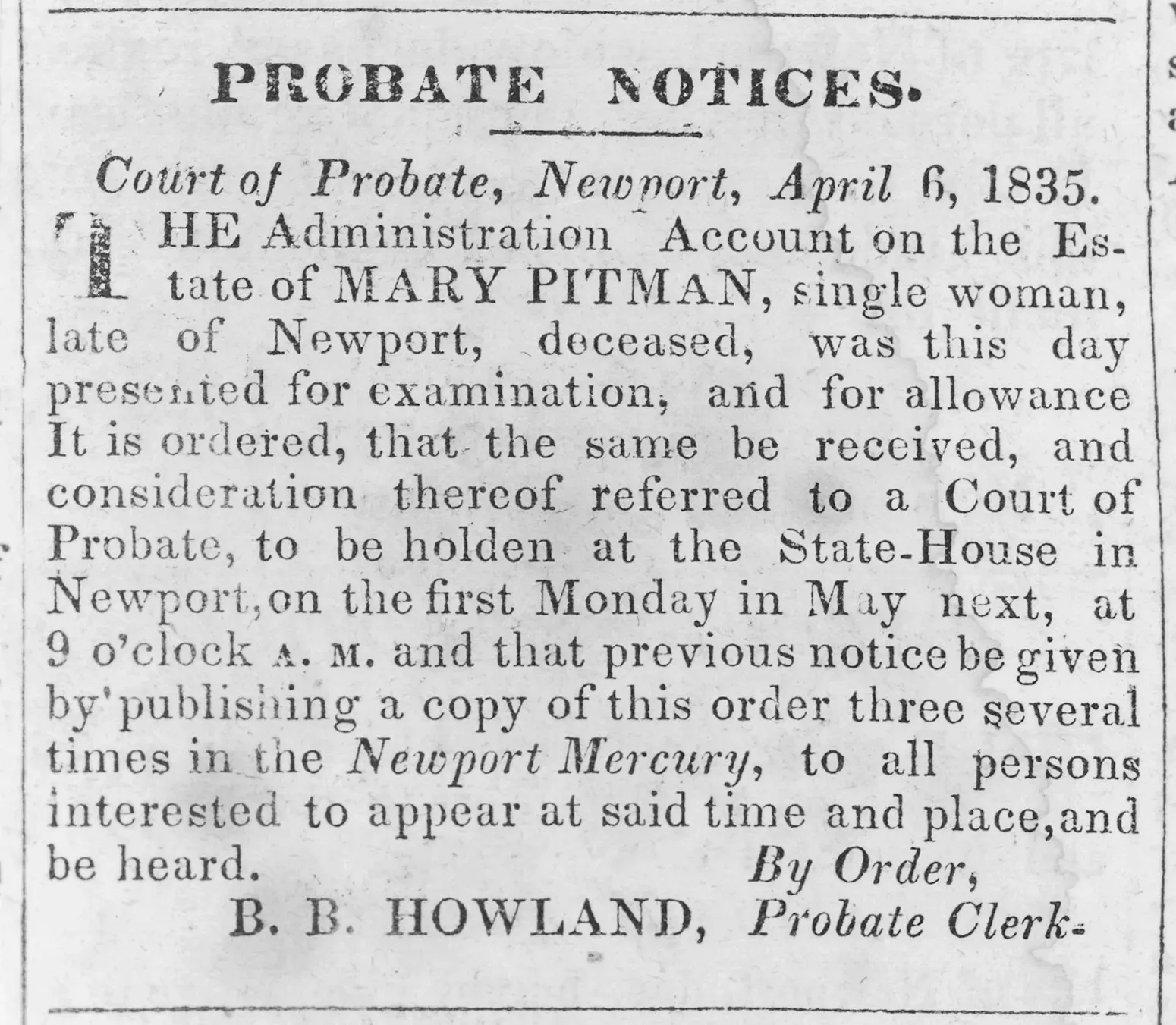
Catalog: https://lccn.loc.gov/2002719619
Image download: https://cdn.loc.gov/service/pnp/ppmsca/02900/02917v.jpg
Original url: https://www.loc.gov/pictures/item/2002719619/, Public domain)
Noticing public probate filings for a relative’s name points to an unfolding inheritance process, even if you’re not yet directly involved. Courts publish these to notify possible creditors and heirs, drawing in unknown beneficiaries under intestacy if no will exists. About two-thirds of adults skip wills per 2024 figures, funneling more estates into this court-supervised path. Assets get inventoried, from bank balances to real estate, with values set for fair division. Immediate family tops the list, but siblings or cousins step up if no spouse or kids. The timeline stretches six months for simple cases to years for tangled ones, per recent averages. Financial institutions freeze accounts until probate resolves, ensuring orderly payout. This sign emerges when newspapers or online records list the case.
Heirs submit claims during a creditor window, after which distribution follows. Disputes slow things, common enough to impact many families. Trusts avoid probate publicity, handling transfers quietly with trustee oversight. Taxes reduce nets, especially over certain thresholds in some states. Verification demands documents like IDs and relation proofs before release. Patterns show most inheritances go to family, surprises from forgotten names in wills. Banks require executor signatures for fund transfers post-approval. Watching these notices can hint at your involvement ahead.
Sign 4: Family Discussions Reveal No Clear Heirs or Hidden Plans

Overhearing relatives talk about an elder’s assets without named successors often signals intestacy looming, positioning you as a default beneficiary. Laws favor close kin, so children or siblings inherit if no spouse. Surveys from 2025 highlight 76 percent dying will-less, amplifying these scenarios. Hidden wills or trusts surface later, naming unexpected people privately. Probate inventories expose bank accounts, properties, or investments previously unknown. Average processes last nine to 20 months, per data, with debts settled first. Financial verification by institutions follows, delaying access. This chatter uncovers patterns like unmarried relatives or childless aunts.
Executors notify potentials, starting formal claims. Disputes erupt over shares, common in fragmented families. Trusts distribute faster, skipping court lines. Estate taxes apply selectively, trimming amounts. Proofs confirm eligibility before payouts. Most households miss inheritances entirely, making these talks noteworthy. Banks release after clearances, shifting family finances. Awareness here prepares for the legal steps ahead.
Spotting these signs doesn’t assure windfalls, given how few ever receive them. Legal paths like probate ensure fairness but test patience. Thinking ahead about your own planning avoids leaving loved ones guessing.