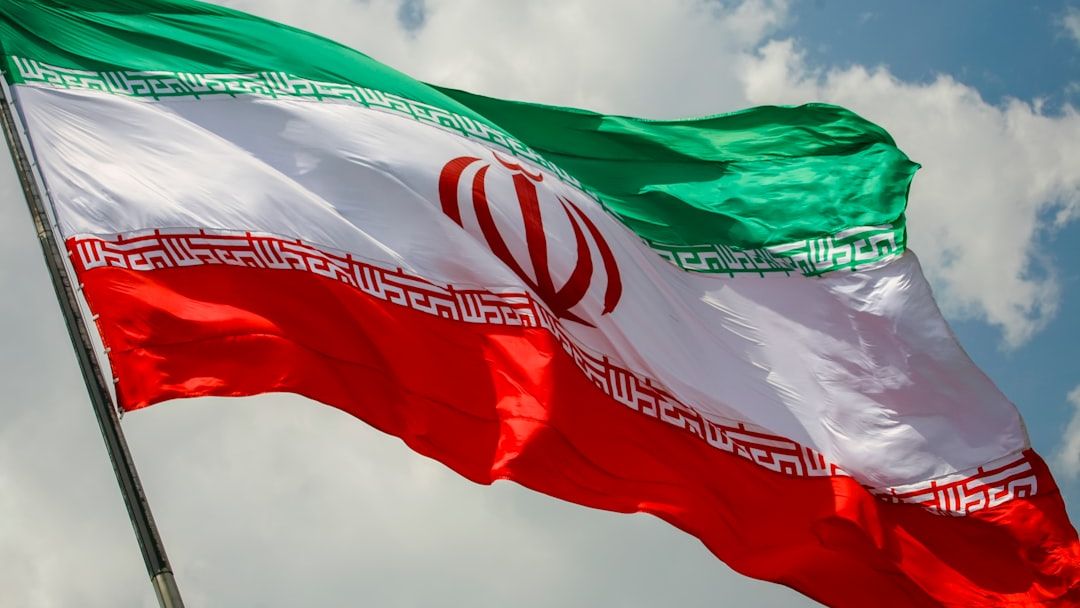
Iran Threatens 'Painful' Retaliation If US Launches 'Final Blow' Strikes – Image for illustrative purposes only (Image credits: Unsplash)
Tehran issued stark warnings on Thursday against American military assets and Gulf state leaders, as reports emerged of U.S. commanders briefing President Donald Trump on potential “final blow” strikes against Iran. The threats came amid a fragile ceasefire that has failed to resolve a standoff over the Strait of Hormuz, where Iran maintains a blockade choking global energy supplies.[1][2] Oil prices, already doubled since the conflict erupted in late February, spiked above $126 a barrel this week before easing slightly, fueling fears of broader economic pain for consumers worldwide.
Escalating Rhetoric from Iranian Commanders
A senior official in Iran’s Revolutionary Guards Corps delivered a direct message to the United States. Aerospace Force Commander Majid Mousavi stated that any renewed American attacks, even if limited in scope, would trigger “long and painful strikes” on U.S. regional positions. He referenced prior damage to bases, adding that U.S. warships would face the same fate.[1][2]
Parliament member Mahmoud Nabavian amplified the warnings, targeting Arab rulers directly. He declared that “none of the kings of the Arab countries or their palaces in the region will remain safe” if their territories host bases used against Iran, vowing they would all be “sent to hell.”[1] These statements underscore Tehran’s strategy to pressure Gulf nations like Bahrain and the United Arab Emirates, which previously suffered strikes on infrastructure and U.S.-linked facilities during earlier exchanges.
U.S. Weighs Decisive Military Moves
Amid stalled negotiations, U.S. Central Command prepared options for Trump, including a concentrated wave of strikes on Iranian military assets, leadership targets, and infrastructure. Other plans involve seizing portions of the Strait of Hormuz with ground forces to restore commercial shipping or dispatching special operations teams to Iran’s Isfahan region to neutralize enriched uranium stocks.[1][3]
The Pentagon also eyes advanced weaponry, such as hypersonic “Dark Eagle” missiles deployable from B-1B bombers, to dismantle remaining Iranian missile launchers. Trump described the conflict as already won but expressed interest in expanding the margin of victory, insisting Iran would never rebuild its capabilities or acquire nuclear weapons.[3] These deliberations follow joint U.S.-Israeli operations that began on February 28, which prompted Iranian counterstrikes on regional U.S. positions and Israel.
Strait of Hormuz: The Chokepoint at Stake
Iran’s Supreme Leader Mojtaba Khamenei asserted firm control over the strait, promising new management to curb “enemies’ abuses” and benefit Gulf neighbors economically once U.S. forces depart. He dismissed foreign powers as having “no place there except at the bottom of its waters.”[1][2] Tehran views the waterway as leverage, blocking most traffic except its own in retaliation for a U.S. naval embargo on Iranian oil exports.
Pakistan-mediated talks in Islamabad collapsed after an April 8 ceasefire, with Iran proposing to defer nuclear discussions until shipping and blockades resolve – a condition unmet by U.S. demands for immediate addressing of Tehran’s atomic program. The State Department now seeks partners for a post-conflict “Maritime Freedom Construct” coalition, though allies like France and Britain condition involvement on an end to hostilities.[2]
Global Ripples from Prolonged Standoff
The conflict has exacted heavy costs, with thousands killed across the region and U.S. expenditures surpassing $25 billion on munitions alone. Civilian infrastructure in Gulf states bore the brunt of Iranian drones and missiles, damaging sites like Amazon’s cloud operations in Bahrain and the UAE, with recovery projected in months.[2]
- Oil prices doubled, hitting politically sensitive pump levels globally.
- UN Secretary-General Antonio Guterres cautioned that extended disruption could slash growth, spike inflation, and drive millions into poverty by mid-year.[2]
- Iran’s economy strains under sanctions and blockades, yet its leadership bets on endurance.
International voices, from German Chancellor Friedrich Merz urging Tehran to end delays to Japanese Prime Minister Sanae Takaichi pressing for safe passage, highlight mounting pressure for de-escalation.
As Trump contemplates next steps and Iran digs in, the human toll – from disrupted families in the Gulf to higher energy bills worldwide – grows with each stalled dialogue. The path forward hinges on whether either side blinks first at this volatile crossroads.