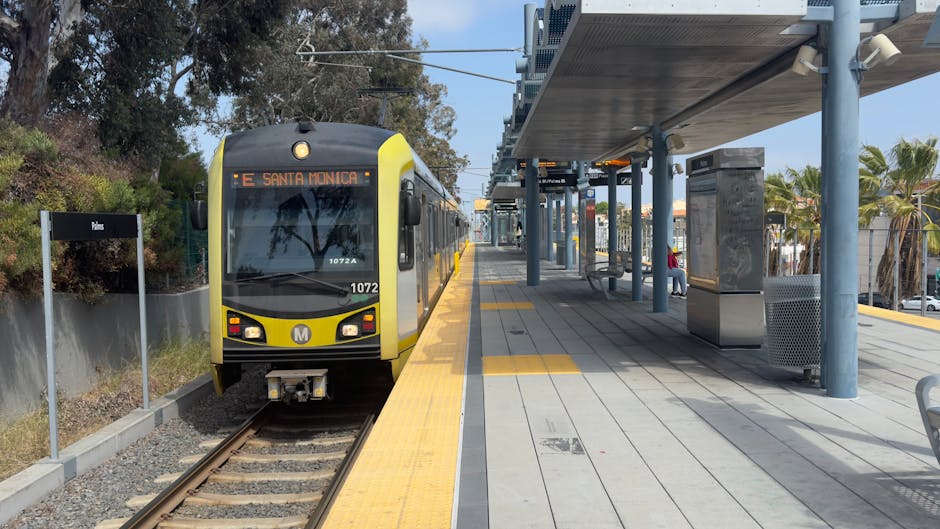
The Wilshire subway should be a slam dunk for L.A. But luring riders may be a challenge – Image for illustrative purposes only (Image credits: Pexels)
The arrival of three new D Line stations along Wilshire Boulevard represents a tangible step forward for transit in Los Angeles. These stops create a direct rail connection between Beverly Hills and downtown, allowing riders to bypass some of the region’s most congested roadways. Enthusiasm has surfaced among residents and officials who see the extension as a practical improvement in daily mobility. Still, the shift from driving to rail use carries its own set of adjustments that could slow initial adoption.
Why the Timing of These Openings Matters
Los Angeles has long grappled with traffic congestion and the limitations of its car-centric layout. The new stations arrive at a moment when many commuters seek alternatives that reduce both travel time and environmental impact. By linking Beverly Hills directly to downtown, the extension fills a longstanding gap in the rail network. This development aligns with broader efforts to expand public transit options across the city.
Local leaders have highlighted how the project supports economic activity by improving access between commercial hubs. Residents in the affected corridors now have a new option for reaching jobs, appointments, and cultural destinations without relying solely on personal vehicles. The change could gradually influence how people plan their routes through the west side and central Los Angeles.
What Riders Can Expect From the Updated Line
The three stations extend service along a prominent east-west corridor that already carries heavy traffic. Travelers will gain seamless transfers to other parts of the D Line, which continues toward other key neighborhoods. This setup reduces the need for multiple transfers or lengthy bus connections in many cases.
Early users have noted the convenience of boarding closer to popular destinations in Beverly Hills. The stations feature modern design elements intended to make the experience straightforward for first-time riders. Service frequencies are expected to support both peak-hour commuters and those traveling at off-peak times.
Navigating the Adjustment Period Ahead
While the infrastructure is now in place, converting occasional interest into regular ridership involves more than simply opening doors. Many Angelenos remain accustomed to the flexibility of driving, even when rail offers comparable or better travel times. A period of familiarization will likely be required before the new options feel routine.
Transit planners have pointed to the need for clear information on schedules, fares, and station access. Without widespread awareness campaigns, some potential riders may overlook the service or assume it does not fit their patterns. The learning curve extends to practical details such as parking at stations, integrating with other transit lines, and understanding peak versus off-peak travel.
Officials have described the situation as involving a steep learning curve for getting residents literally on board.
Community outreach and visible signage will play roles in easing that transition. Over time, consistent positive experiences could encourage more people to incorporate the line into their weekly routines.
Looking Ahead for Regional Transit Use
The opening of these stations adds momentum to ongoing investments in Los Angeles rail infrastructure. Success will ultimately depend on how quickly daily habits adapt to the new reality. If the line demonstrates reliability and convenience, it could serve as a model for future extensions elsewhere in the city.
Residents and visitors alike now have an additional tool for navigating one of the nation’s largest metropolitan areas. The coming months will reveal whether the excitement translates into sustained ridership growth.