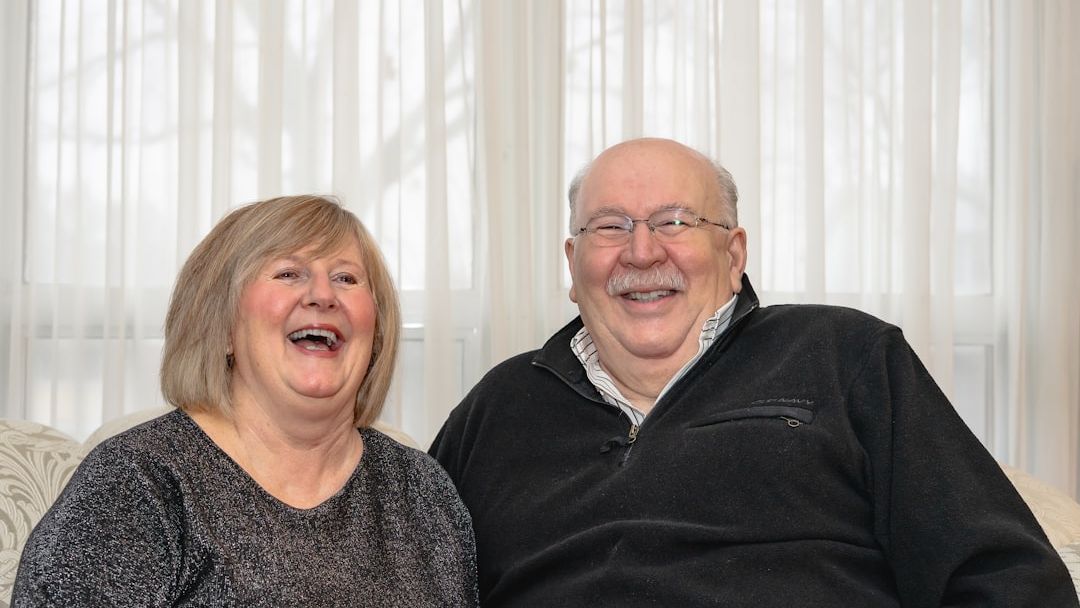
Why ‘Platonic Partnerships’ Are Replacing Marriage for Seniors Who Want Companionship Without Legal Risk – Image for illustrative purposes only (Image credits: Unsplash)
Across the United States, more adults over 60 are reshaping their later years around companionship that stops short of marriage. After decades of traditional relationships, many now seek emotional closeness while keeping homes, finances, and legal obligations separate. This shift reflects both hard-won lessons from past marriages and a growing emphasis on personal autonomy in retirement.
Independence Becomes the Priority After Decades of Shared Life
Many seniors spent their working years building households around children, joint finances, and mutual responsibilities. Once those chapters close through divorce or widowhood, the appeal of full independence often grows stronger. Platonic partnerships let people share conversation, travel, and daily routines without merging schedules or bank accounts. Studies of later-life relationships show this preference for flexibility has become more common among adults over 60, as they weigh personal freedom against the routines of cohabitation.
Financial and Legal Risks Prompt a Cautious Approach
Remarriage later in life can alter Social Security survivor benefits, pension payouts, Medicaid eligibility, and carefully laid estate plans. In families with adult children, new marriages sometimes introduce disputes over inheritance or property. Seniors who have already navigated one costly divorce or long-term caregiving role frequently decide the added complexity is not worth the trade-off. Platonic arrangements sidestep these triggers while still offering reliable emotional support and shared experiences.
Living Apart Together Arrangements Reduce Daily Pressures
Researchers have documented a rise in “living apart together” relationships, where partners maintain separate residences yet remain committed. A large United Kingdom study found that adults over 60 in these setups reported mental health benefits similar to those in marriages or cohabiting couples, yet with fewer conflicts over household chores and shared space. Older adults appear especially drawn to this model because it preserves autonomy while easing loneliness. The arrangement works particularly well for retirees who value their own routines after years of compromise.
Emotional Support Matters More Than Romance for Many
Not every senior seeks physical intimacy or romantic labels. Some simply want a trusted person for meals, holidays, hobbies, and the ordinary moments that combat isolation. These platonic life partnerships emphasize loyalty and mutual care without the legal framework of marriage. Women over 60 often lead this trend, having shouldered disproportionate caregiving and household duties in earlier relationships. They frequently cite a desire to protect their time and energy rather than repeat past patterns.
Family Dynamics Shift When Legal Ties Are Avoided
Adult children sometimes express concern when a parent remarries, particularly around inheritance or caregiving expectations. Platonic partnerships tend to ease those tensions because assets and estates remain clearly defined. Many families report greater comfort with arrangements that keep financial boundaries intact while still providing companionship. Loneliness remains a serious public health issue for older adults, and these flexible models appear to offer one practical way to maintain connection without sacrificing security.
What matters now: As retirement patterns evolve, more seniors are designing relationships that fit their actual needs rather than inherited expectations. The result is a quieter but steady redefinition of companionship in later life.