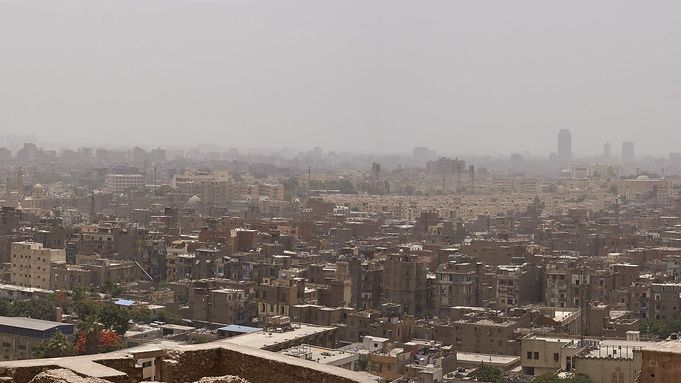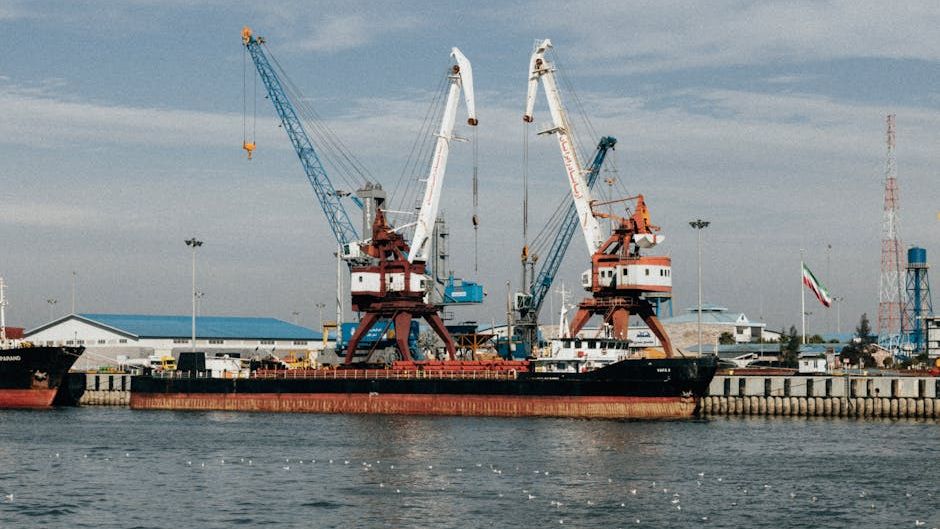
Iran says U.S. “crossed the point of no return” with attacks on ports – Image for illustrative purposes only (Image credits: Pexels)
President Trump has stated that the ceasefire agreement with Iran continues without interruption, even after a series of strikes that included targets at Iranian ports. Tehran has responded by declaring that the United States has passed a critical threshold from which there is no return. The exchange has left both sides asserting their positions while the broader agreement faces renewed pressure.
Trump’s Firm Stance on the Agreement
The president emphasized that the ceasefire remains operational and that no formal breakdown has occurred. His comments came directly after reports of the latest round of attacks surfaced. Officials close to the administration described the position as a deliberate effort to prevent further escalation.
Trump’s insistence highlights a preference for keeping diplomatic channels open despite the military actions. This approach seeks to separate the immediate incidents from the larger framework of the truce. Observers note that such statements often aim to signal stability to allies and domestic audiences alike.
Iran’s Sharp Warning and Its Context
Iranian authorities described the port strikes as crossing an irreversible line, using language that signals deep frustration with the recent developments. The statement reflects Tehran’s view that the attacks have fundamentally altered the situation. No immediate call for a full termination of the ceasefire accompanied the remarks.
The response from Tehran focuses on the perceived violation of prior understandings. It leaves room for interpretation about what steps might follow if tensions continue. Regional analysts are watching closely to see whether the warning leads to concrete policy shifts or remains rhetorical.
Practical Effects on the Ground
Port operations in the affected areas have already experienced delays, affecting shipping schedules and supply chains that rely on those facilities. Local communities connected to maritime trade now face uncertainty about when normal activity might resume. These disruptions illustrate how quickly diplomatic friction can translate into everyday challenges.
Businesses dependent on the routes are adjusting plans in real time while awaiting clearer signals from both governments. The human element involves workers and families whose livelihoods tie directly to the stability of these ports. Continued exchanges risk compounding these immediate pressures.
Key developments to watch include any follow-up statements from either capital, shifts in port activity reports, and reactions from neighboring countries that could influence the next phase of talks.
The coming days will test whether the ceasefire can absorb these latest strains or whether the warnings from Tehran mark the start of a more sustained standoff. Both sides continue to frame their actions as defensive, leaving the path forward dependent on restraint and communication.