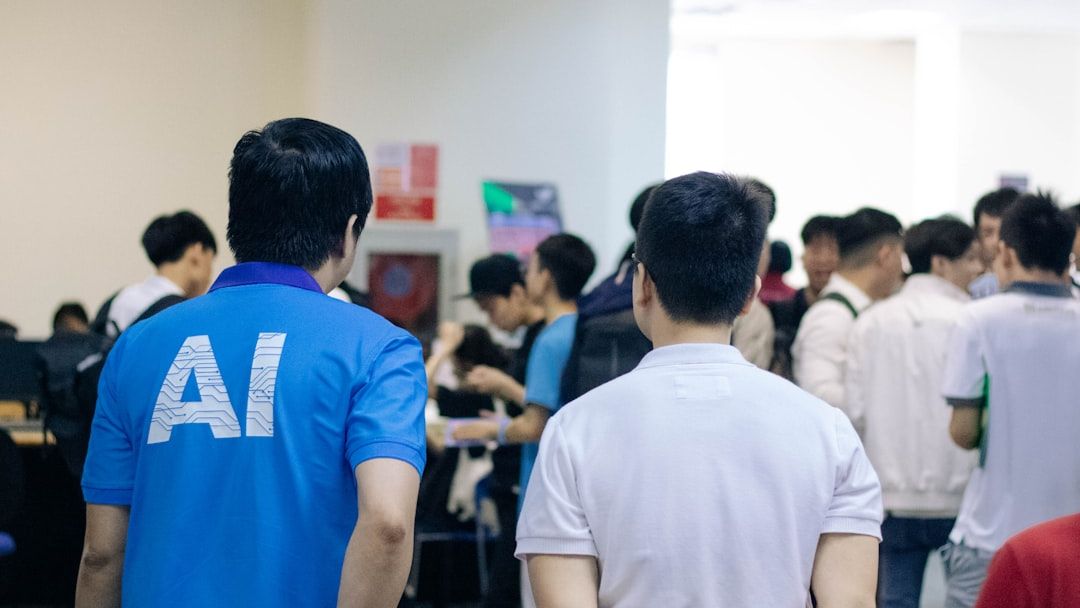
Employers are demanding AI skills. What's the best way to learn them? – Image for illustrative purposes only (Image credits: Unsplash)
Career experts continue to emphasize that professionals at every level now face growing pressure to develop artificial intelligence capabilities on their own initiative. Employers across sectors increasingly list AI-related competencies in job postings, even when the core responsibilities do not involve coding or data science. This shift places the responsibility for upskilling squarely on individuals rather than waiting for formal company programs.
Shifting Expectations in the Modern Workplace
Job descriptions that once focused solely on domain expertise now routinely mention familiarity with machine learning tools, prompt engineering, or data-driven decision making. The change reflects broader adoption of AI systems that automate routine tasks and generate insights at scale. Workers who remain outside these developments risk falling behind in both hiring processes and internal advancement opportunities.
Many organizations report difficulty finding candidates who combine traditional skills with even basic AI literacy. This gap has prompted hiring managers to prioritize applicants who demonstrate self-directed learning in the technology. The result is a clear signal that passive observation of AI trends is no longer sufficient for long-term employability.
The Case for Personal Initiative
Experts note that waiting for employer-sponsored training often leaves professionals at a disadvantage. Company programs tend to arrive after roles have already been redefined around new tools. Individuals who begin exploring AI applications relevant to their field gain an edge in both current positions and future searches.
Self-directed study also allows learners to tailor content to specific career goals rather than following generic curricula. This targeted approach helps translate new knowledge into immediate workplace value. Career advisors stress that consistent, small-scale practice compounds over time into meaningful capability.
Practical Entry Points for Busy Professionals
Many professionals start by identifying one or two AI tools already used in their industry and experimenting with them during regular work hours. Short online modules focused on real-world scenarios provide structure without requiring large time commitments. Peer discussions and internal knowledge-sharing sessions further reinforce learning through application.
Progress often accelerates when learners connect AI concepts directly to problems they already solve. Documenting these experiments in a simple portfolio or resume section helps communicate growth to potential employers. Regular reflection on what worked and what did not keeps the process efficient and relevant.
Looking Ahead
The pace of AI integration shows no sign of slowing, making ongoing personal development a continuing requirement rather than a one-time effort. Professionals who treat AI education as an active career responsibility position themselves to adapt as tools and expectations continue to change. This proactive stance transforms a potential challenge into a sustained competitive advantage.