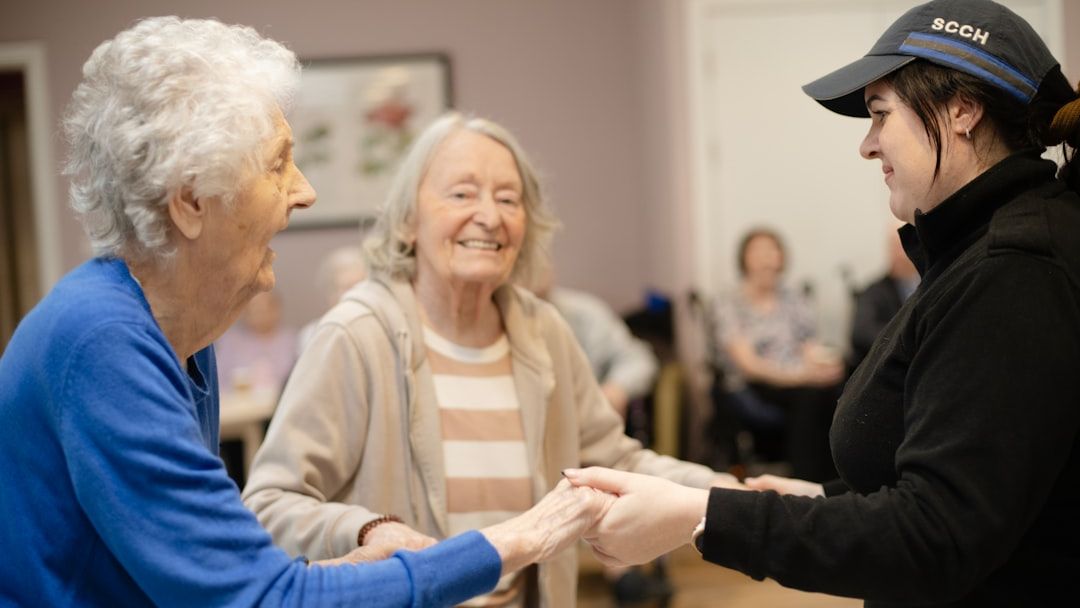
Local Charities Helping Seniors in New York – Image for illustrative purposes only (Image credits: Unsplash)
New York – Local nonprofits continue to fill critical gaps for older adults facing food shortages, transportation barriers, home safety issues, and caregiver strain. These groups operate across the five boroughs, Long Island, Westchester, the Hudson Valley, and rural counties, often responding faster than larger public systems. Their services focus on immediate, practical needs rather than long-term government benefits.
Quick Referral Options for Urgent Situations
Residents in immediate distress should begin with 211 New York, which connects callers to food, housing, and mental health resources in multiple languages. The line serves as an entry point rather than a final solution. For life-threatening emergencies, 911 remains the required first call.
Charities emphasize preparation before dialing. Callers who state their age, ZIP code, and specific deadline receive faster guidance. Many organizations maintain limited funds, so early contact improves chances of securing help with rent pledges or utility support.
Food Banks and Faith-Based Networks
Food assistance remains the most accessible entry point for seniors. In New York City, Food Bank For New York City and City Harvest maintain maps of pantries, soup kitchens, and mobile distributions. Citymeals on Wheels targets homebound older adults with delivered meals. Outside the city, Feeding New York State directs callers to county-specific food banks such as Food Bank CNY and FeedMore WNY.
Churches and faith organizations often provide additional layers of support. Catholic Charities agencies across regions offer emergency food, limited rent assistance, and case management. Met Council and the Salvation Army maintain local centers that serve people of any background. These groups frequently accept referrals from 211 and can connect seniors to nearby pantries when direct funds are unavailable.
Transportation, Home Repairs, and Caregiver Relief
Volunteer ride programs address one of the most persistent challenges for seniors. Project CART in New York City provides van service for medical appointments and errands when space allows. In Western New York, Hearts & Hands focuses on medical and grocery trips, while Care Links in Saratoga County adds light housekeeping alongside transportation.
Small home repairs fall to specialized nonprofits. NYFSC and Met Council handle grab bars, lock changes, and safety checks in the city. Habitat for Humanity affiliates in Westchester and Rebuilding Together on Long Island extend similar services to income-qualified homeowners. Caregiver respite programs through JASA and Sunnyside Community Services offer temporary relief for family members supporting older adults with cognitive or physical limitations.
Documents to gather before calling:
- Photo ID or Medicare card
- Proof of address and income
- Any eviction, shutoff, or court notice
- Medication list for medical-related requests
Legal Screening and Community-Specific Programs
Legal-aid organizations screen cases involving eviction, benefits denials, and elder abuse. NYLAG and Legal Aid elder law units in New York City provide free consultations, while the Center for Elder Law serves Western New York residents. LawHelpNY offers an online directory to locate county-specific offices quickly.
Targeted groups address cultural and identity needs. SAGE New York supports LGBTQ+ older adults with care management and veteran services. RAICES assists Spanish-speaking seniors in Brooklyn, and Native American organizations such as the New York Indian Council help urban tribal elders. These programs often coordinate with broader nonprofits when additional resources are required.
Funding and eligibility rules change frequently, so direct confirmation with each organization remains essential. Seniors who receive a referral denial should immediately request the next available contact to maintain momentum toward resolution.