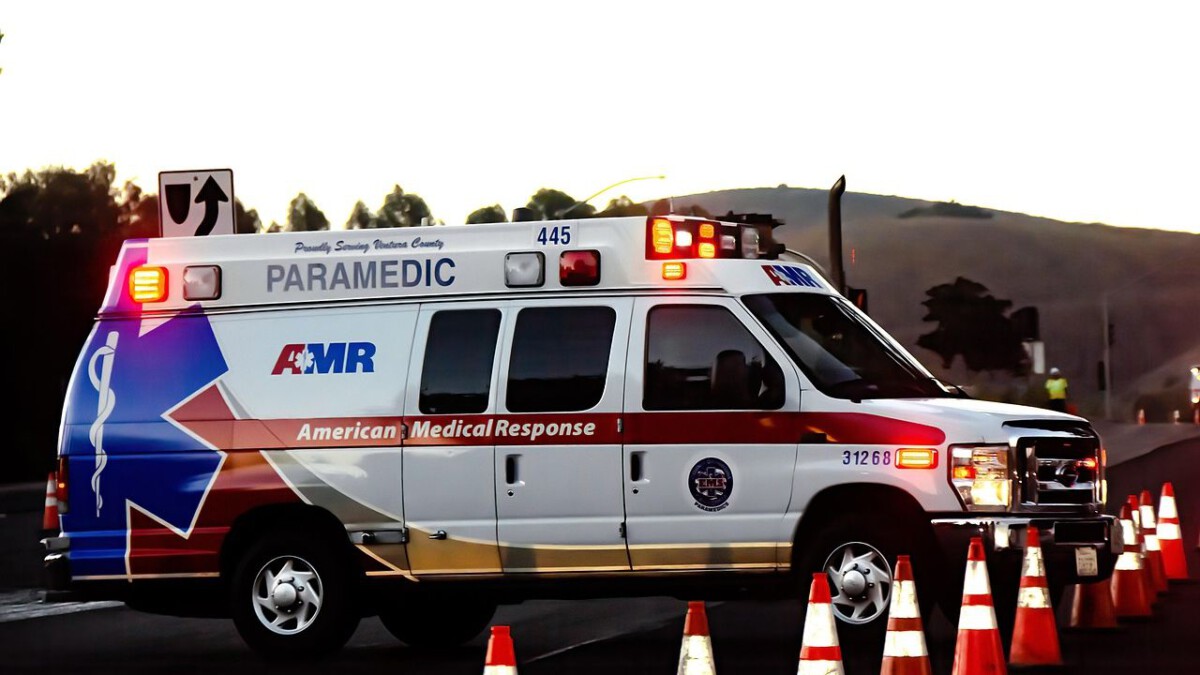
Older Medical Alert Systems May Stop Working Sooner Than Expected – Image for illustrative purposes only (Image credits: Pixabay)
Millions of older adults continue to depend on medical alert systems for quick access to help after a fall or sudden health crisis. These devices have long allowed seniors to remain in their homes with greater confidence. Yet many of the systems installed years ago were built for cellular networks that no longer exist in their original form.
3G Networks Have Been Gone for Years, Yet Devices Remain
Major carriers completed the shutdown of 3G service in 2022 to free capacity for faster 4G and 5G connections. A large number of medical alert units were never redesigned for the newer networks. As a result, some equipment that once connected reliably now struggles or fails to reach monitoring centers.
The change happened gradually, so many households did not notice the difference until an emergency occurred. Families often assume that any device still receiving power remains fully operational. In practice, the loss of network compatibility can leave a senior pressing the button with no response on the other end.
Power Lights Do Not Guarantee an Active Connection
One of the most common misunderstandings involves devices that still light up or produce sounds. These outward signs can mask the fact that the unit has lost its ability to transmit calls. Seniors and caregivers may therefore continue to rely on equipment that has already become ineffective.
Health organizations have pointed out that this situation creates a dangerous false sense of security. A person who experiences a stroke or serious fall may press the button expecting immediate assistance, only to discover the call never goes through. Regular testing of the full connection path, rather than just the power indicator, is now considered essential.
Cellular Coverage and Landline Options Each Carry Limits
Modern medical alert systems depend on 4G LTE signals, which vary in strength by location and carrier. Rural or mountainous areas often experience weaker reception, reducing the chance that an alert will reach help in time. Choosing a provider whose network covers the home address has become a critical step before any purchase or upgrade.
Landline-based systems avoid cellular issues but face their own vulnerabilities. Storms, power outages, and the gradual retirement of traditional phone lines can interrupt service. Fewer households maintain active landlines today, which further reduces the practicality of older wired setups.
Battery Wear Adds Another Layer of Risk
Backup batteries inside home units and wearable buttons lose capacity over time. An aging battery may fail precisely during a power outage, when emergency help is most likely to be needed. Manufacturers recommend periodic checks of battery health, yet many long-installed systems have never received this maintenance.
Declining battery performance can also shorten the range of wearable buttons inside the home. Seniors who move from room to room may find that the signal no longer reaches the base unit reliably. Replacing equipment on a schedule set by the provider helps address this gradual decline.
Newer Systems Provide Capabilities Older Models Lack
Current medical alert technology includes features that were unavailable when many existing devices were installed. Automatic fall detection, GPS location tracking, and caregiver smartphone apps now allow faster and more detailed responses. Some units also monitor daily movement patterns and alert family members to unusual inactivity.
These additions can offer meaningful extra protection for people managing chronic conditions or living alone. Upgrading often requires little or no out-of-pocket cost when arranged through the original provider. Several companies have already contacted customers to replace 3G equipment with newer models.
Key differences between older and newer systems
| Aspect | Older Systems | Newer Systems |
|---|---|---|
| Network support | 3G (discontinued) | 4G LTE / 5G |
| Fall detection | Manual button only | Automatic sensors |
| Location tracking | None | GPS available |
| Caregiver alerts | Limited | App notifications |
Proactive contact with the service provider remains the most direct way to confirm whether current equipment still operates on supported networks. Regular testing and timely upgrades can help preserve the safety net these systems were designed to provide.